

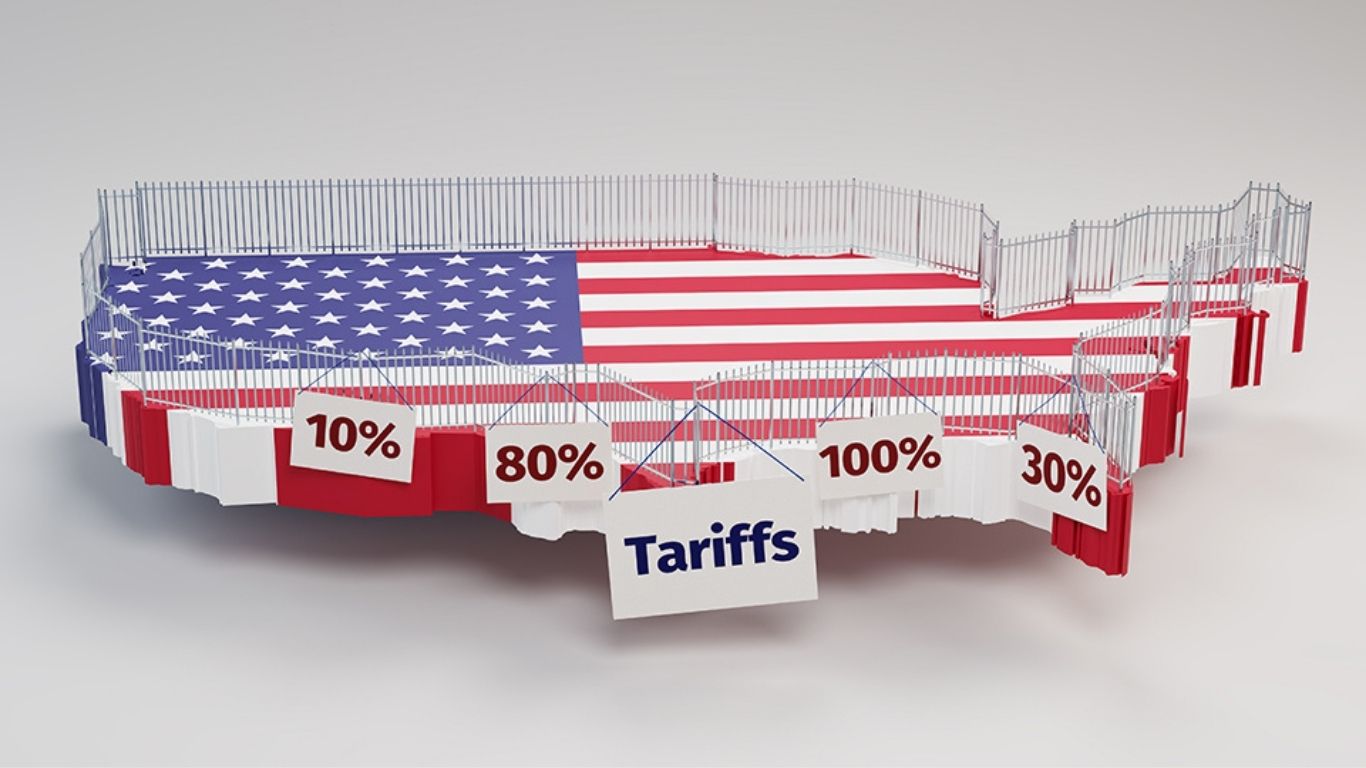
Canadian Boycotts: A Trade War’s Bitter Fruit
In 2025, Canada’s not just sending maple syrup south—it’s sending a message. A potent mix of U.S. tariffs and President Trump’s inflammatory rhetoric, including threats to make Canada the “51st state,” has ignited a fierce backlash. According to a dunnhumby survey, 71% of Canadians plan to shun American goods this year, fueling a “Buy Canada” movement that’s hitting U.S. exports and tourism hard. From grocery stores to travel agencies, the shift is palpable, but is it a knockout punch or a fleeting protest? Let’s break down the impact, sector by sector, and see if the numbers match the noise.
The Grocery Aisle Rebellion
Canadian grocery stores are ground zero for the boycott. Giancarlo Trimarchi, owner of Vince’s Market, told CNBC that customers are demanding Canadian-made products and bristling at U.S. goods on shelves. Retailers like Loblaws, Walmart, Metro, and Sobeys are slashing orders of American products, with Loblaws even slapping a black “T” on tariffed goods to steer shoppers away []. The U.S. Department of Agriculture notes that Canada was the U.S.’s second-largest food export market in 2024, worth $28.4 billion. A 71% pullback in consumer demand could dent this significantly, especially for products like California citrus, which Canadian retailers have already canceled.
Alcohol’s taking a particular hit. Sales of U.S. liquor, like Kentucky bourbon, plummeted 66% from March 5 to April’s end after Canadian provinces yanked American brands from shelves. Toronto’s Madison Avenue pub, for instance, purged U.S. ingredients from its menu, opting for local or non-U.S. alternatives. The CEO of Loblaw reported double-digit sales spikes for Canadian products on LinkedIn, signaling a boost for local brands like Made In Alberta. But skeptics, like Dartmouth’s Professor Douglas Irwin, argue boycotts historically fizzle out, suggesting the economic sting may be short-lived.
Tourism Takes a Tumble
The U.S. tourism industry is feeling the chill, too. Canadians, who spent $20.5 billion in the U.S. in 2024, are canceling trips en masse. The World Travel & Tourism Council estimates a $12.5 billion loss in U.S. tourism revenue this year, with Canada’s pullback a key driver. Flight Centre Canada reported a 40% drop in leisure travel bookings to the U.S. year-over-year, and land border crossings from British Columbia to Washington are down. A Statistics Canada report noted a 23% decline in Canadian road trips to the U.S. since February 2024. Some travelers are even eating hefty deposits—like a $5,000 CAD loss for a British Columbia woman who ditched a Palm Springs vacation for Cuba.
The boycott has political backing. Prime Minister Justin Trudeau urged Canadians to “choose Canadian products and services” on February 1, 2025, while Foreign Minister Mélanie Joly echoed the call to avoid U.S. travel. Provinces like Manitoba are pumping millions into domestic tourism campaigns, with Tourism Manitoba’s budget upped by $4.5 million to lure locals. Yet, some travel agents downplay the cancellations as rare, and a 2.4% dip in air travel suggests actual trips haven’t tanked as hard as bookings. Is this a boycott or just a weak Canadian dollar and immigration fears keeping travelers home?
The Economic Toll: Numbers vs. Noise
The broader economic impact is where things get murky. Goldman Sachs projects the boycotts and tourism drop could shave 0.3% off U.S. GDP, roughly $90 billion in 2025. Canada, the U.S.’s largest export market with $349.4 billion in goods in 2024, is a big loss if demand craters. Food and alcohol are hit hardest, but U.S. mass retailers in Canada, like Walmart, report a 3% drop in sales penetration. The U.S. Travel Association warns a 10% drop in Canadian visitors could cost $2.1 billion and 14,000 jobs, hitting states like Florida and California hardest.
Still, some argue the damage is overstated. Philip Cross of the Macdonald-Laurier Institute notes that U.S. merchandise exports are just 7.1% of GDP, with Canada accounting for only 12.6% of that trade. A 50% drop in Canadian tourism would barely dent overall U.S. spending (0.007%) or jobs (0.009%). Inflation, at 2.4% in mid-2025, hasn’t spiked despite tariffs, suggesting the U.S. economy is weathering the storm. Ethan Frisch of Burlap & Barrel, a U.S. spice company, told the reporters that boycotts won’t fix trade policy and may hurt Canadian consumers more than U.S. firms.
Beyond Canada: A Global Snub?
The boycott isn’t just a Canadian affair. European consumers, peeved by U.S. foreign policy, are joining in, with 44% shunning American brands, per a European Central Bank survey. Tesla’s taken a beating, with a 28% sales drop in Europe tied to trade tensions and Elon Musk’s Trump ties. In Denmark, 90,000 people joined a Facebook group to swap U.S. goods for local alternatives, with one member canceling Netflix and Disney+ subscriptions. Sweden’s seen 70,000 join similar groups, and Japan’s Suntory Holdings predicts a backlash against American whiskey. Apps like Canada’s “Buy Beaver” and “Maple Scan” are popping up to help shoppers avoid U.S. products.
This global pushback reflects deeper resentment. Canadians, with 91% wanting less reliance on the U.S., are furious over tariffs and sovereignty jabs. A YouGov poll found 50% of Canadians view the U.S. as “unfriendly or an enemy,” compared to just 6% of Americans feeling that way about Canada []. Comments to The Guardian reveal raw anger, with one Canadian saying they want to “stick it to” their “poorly educated” neighbors. Yet, others, like Ontario’s Doug Ford, pin the blame squarely on Trump, not Americans.
The Trade War Context
The boycotts stem from a U.S.-Canada trade war sparked in February 2025, when Trump imposed 25% tariffs on Canadian goods, later upped to 35% starting August 1. Canada retaliated with C$60 billion in counter-tariffs, targeting U.S. autos and other goods. Trump’s flip-flops—temporarily sparing U.S. carmakers and pausing some tariffs—haven’t cooled tensions. Canada’s government is offering relief programs, like duty drawbacks for exporters, to soften the blow, while pushing “Made in Canada” labels to boost local sales. But with 80% of Canadians saying U.S. tariffs will hurt both economies, per YouGov, the standoff feels personal.
Reshoring is gaining traction, too. Canadian firms like New Protein International are building local plants, like a soy protein facility in Ontario, to cut U.S. dependence. Apps like “Is This Canadian” help shoppers scan barcodes for local options []. But some, like Michael McLarney of HARDLINES, see this as a temporary boost to Canadian brands, not a long-term shift. The weak Canadian dollar and fear of U.S. immigration policies may also be driving the travel boycott, muddying the waters.
The Verdict: A Symbolic Jab or a Lasting Wound?
The Canadian boycotts are hitting the U.S. where it hurts—$90 billion in potential GDP losses, $12.5 billion in tourism revenue gone, and a $28.4 billion food export market under siege. The “Buy Canada” movement, backed by 71% of consumers and political heavyweights, is reshaping shopping habits and boosting local brands. But skeptics like Cross argue the U.S. economy, with trade as a small slice of GDP, is too big to buckle. Historical boycotts often fade, and the global nature of supply chains means pain cuts both ways—Canadian consumers face higher prices, too.
For now, the boycotts are more than just a tantrum—they’re a patriotic rallying cry with real economic bite. Yet, their staying power depends on whether tariffs persist and if Canadians can sustain their “elbows up” resolve.




