

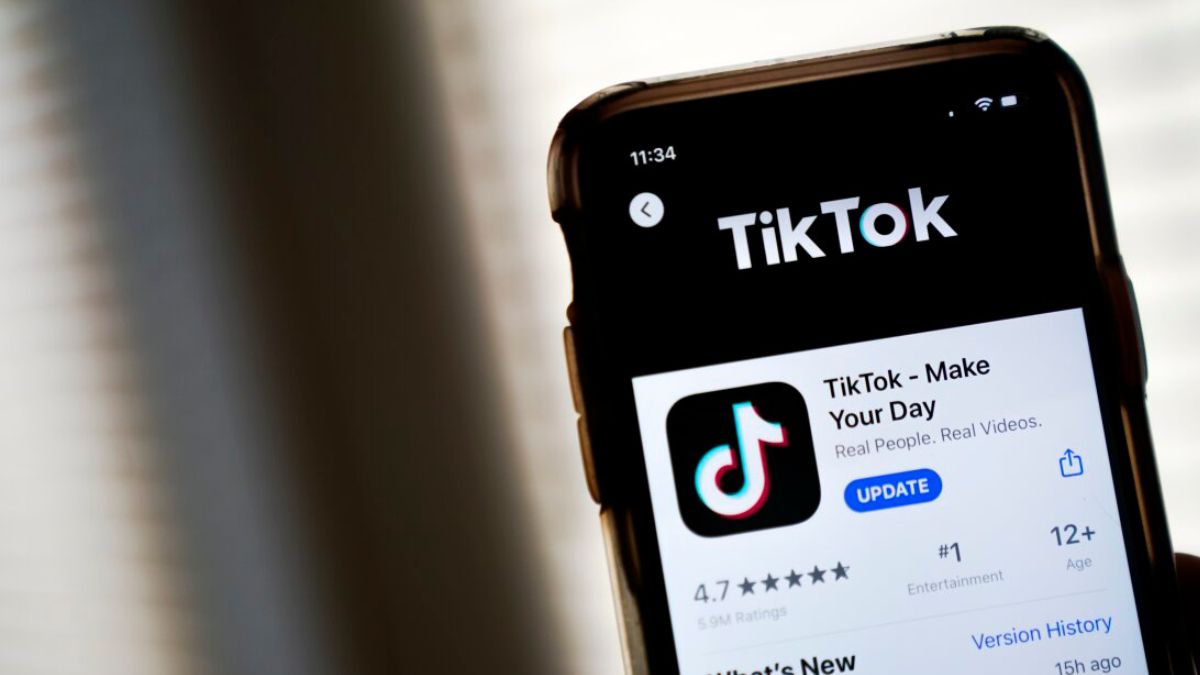
Experts believe that it is only a matter of time before the US ban on TikTok expands to allied countries, depending on whether the US government sticks to its decision to block the app. TikTok has already been banned in the US because lawmakers see it as a national security risk due to its connection to ByteDance, a Chinese company allegedly tied to the Chinese government. ByteDance denies these claims.
Although former US President Trump supported the ban, his successor has expressed opposition to it and may attempt to overturn the decision. If the US does proceed with the ban, analysts think it could follow a pattern of other Chinese and Russian tech companies that were removed over national security concerns.
A Familiar Pattern
“There are clear similarities between TikTok and past cases like China’s Huawei and Russia’s Kaspersky,” says Emily Taylor, editor of the Cyber Policy Journal. In both instances, the US accused the companies of being security threats, but no solid proof was ever shared. This same approach is now being used with TikTok.
Under the Trump administration, Kaspersky’s antivirus software was banned from US government systems in 2017 due to claims of its involvement in a hacking incident allegedly linked to the Kremlin. This claim was never verified. To say shortly—after the UK imposed similar restrictions, other allied countries followed with their warnings.
Although the US took years to implement a full nationwide ban on Kaspersky, the impact was immediate. The company eventually closed its offices in the US and the UK, saying operating there was no longer feasible. Kaspersky maintained that the bans were politically motivated and not based on evidence of security risks.
A study by BitSight revealed that Kaspersky’s popularity declined in the US and at least 25 other countries, even those without official policies banning the software. A similar pattern was observed with Huawei, the Chinese telecom giant.
Huawei’s Precedent
The US accused Huawei of being too close to the Chinese government. US officials argued that Huawei’s 5G technology could potentially be used for spying or disrupting communication networks. Once the US banned Huawei, allied countries soon followed.
A former Huawei UK employee noted that while countries like the UK claimed to make independent decisions on security, the US lobbying efforts behind the scenes played a significant role.”The US kept pushing the national security narrative, even without evidence,” said the source who asked to remain anonymous. This type of intense lobbying by the US is common in global cybersecurity policy.
The Role of the Five Eyes
When the US initiates a ban, it often influences its allies, particularly those in the Five Eyes Alliance, a group of English-speaking nations that share intelligence. These countries include the US, UK, Canada, Australia, and New Zealand. All Five Eyes members have already banned TikTok on government devices, and some have issued broader warnings about the app.
Canada recently took things further, ordering TikTok to stop its operations in the country due to security concerns. This ripple effect is spreading, with countries like France, Belgium, and Taiwan also banning the app from official devices.
Ciaran Martin, former head of the UK’s National Cyber Security Centre, says the UK and its allies often align with the US on security decisions. However, TikTok might be an exception because of the Trump administration’s current stance.
A Complicated Future
While Trump’s administration has shown a willingness to challenge TikTok in the past, the situation has become more complex. Trump now opposes the ban, partly because his reelection campaign gained traction on TikTok. Analysts, including Emily Taylor, believe this could slow efforts to push allies toward banning the app.
Taylor also noted that if the US government prioritizes other foreign policy issues, convincing allies to join a TikTok ban might take a backseat. For now, the UK has no plans to ban TikTok outright. A government spokesperson recently stated that they are working with social media companies to ensure strong data protection and cybersecurity standards.
UK government minister Darren Jones echoed this sentiment, saying there is no reason to follow the US unless TikTok poses a clear threat to British interests. While the app has been banned in the UK Parliament for security reasons, Jones remarked that for ordinary users sharing fun videos, TikTok doesn’t appear to be a security risk.
The Bigger Picture
Another key question is whether TikTok can survive without the US market. Losing access to 170 million American users would be a significant blow, especially since US users are critical for generating ad revenue, creator income, and spending on TikTok Shop.
If other Western nations follow the US ban, TikTok’s financial resources could shrink, limiting its ability to compete with platforms like Instagram Reels, YouTube Shorts, and Snapchat. TikTok already faces bans in India, Pakistan, and Afghanistan and doesn’t operate in China, where ByteDance runs a separate app called Douyin.
Despite setbacks, companies like Huawei and Kaspersky managed to stay afloat by focusing on markets in Africa and the Middle East.TikTok might attempt a similar strategy, but a widespread ban could significantly weaken its global presence, potentially leading to its slow decline.




