

The Tale of Trolls and Tweets
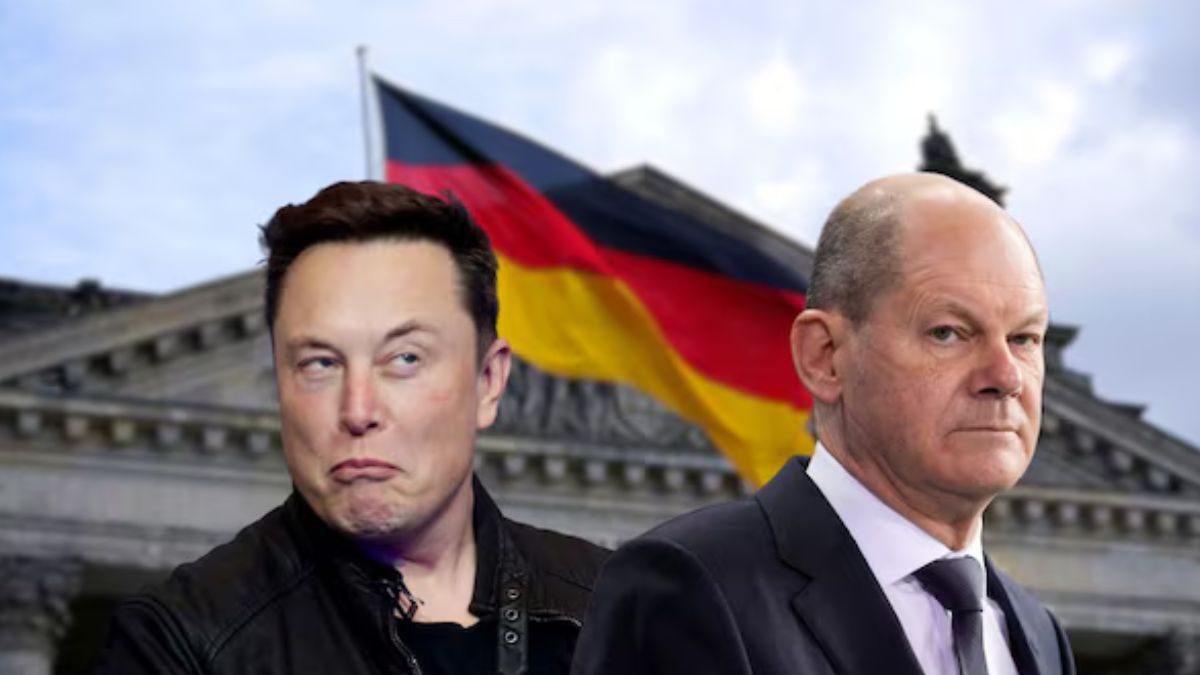
German Chancellor Olaf Scholz has a simple approach to the chaos Elon Musk brings to the political table: ignore it. Scholz recently told Stern magazine, “Don’t feed the troll,” in a thinly veiled jab at Musk’s increasingly provocative online antics. Scholz, known for his measured demeanor, might as well have been referring to the Tesla CEO’s favorite pastime—stirring up trouble on his social media platform, X (formerly Twitter).
It’s not the first time Musk has antagonized Scholz or his Social Democratic Party. The billionaire, never one to shy away from controversy, has openly endorsed the far-right Alternative for Germany (AfD) party, dubbing it Germany’s “last spark of hope.” Scholz, for his part, remains unflustered, calling Musk’s outbursts typical of “rich media entrepreneurs who do not appreciate Social Democratic politics.”
An Uneasy Endorsement
In a bold move that surprised even his supporters, Musk penned an opinion piece for Welt am Sonntag defending the AfD, a party often criticized for its extreme rhetoric. Musk dismissed concerns about the AfD’s far-right reputation with a level of flippancy that has become his hallmark: “Does a party led by someone with a same-sex partner from Sri Lanka sound like Hitler to you? Come on!”
Musk didn’t stop there. He accused Germany’s mainstream political parties of driving the country toward “economic and cultural collapse” and positioned the AfD as the antidote. For a man with significant investments in Germany—think Tesla’s massive gigafactory near Berlin—Musk’s words carry weight. But they also come with consequences.
Backlash and Boycotts
Predictably, Musk’s endorsement unleashed a political firestorm. Mainstream German leaders, including Friedrich Merz, the likely next chancellor, slammed Musk for meddling in the country’s politics. Merz labeled Musk’s commentary “intrusive and presumptuous,” warning that the AfD’s policies—such as a potential exit from the EU—could wreak havoc on Germany’s economy.
The fallout didn’t stop there. Eva Marie Kogel, the opinion editor of Welt am Sonntag, resigned in protest over the publication of Musk’s piece, signaling a deep divide within German media circles over how to handle the billionaire’s influence.
Amplifying Influence or Distorting Democracy?
Elon Musk’s sway over the political narrative extends far beyond traditional endorsements. His ownership of the social media platform X has granted him a megaphone to amplify his views, directly influencing millions of users across the globe. This dynamic has triggered a broader debate about the unchecked power of tech billionaires in shaping public discourse. Unlike conventional media outlets, X allows Musk to sidestep editorial scrutiny, presenting his unfiltered opinions directly to the masses.
Musk’s endorsement of the Alternative for Germany (AfD) exemplifies this phenomenon. By aligning himself with a controversial political party, Musk not only attracts attention but also fosters polarization. Critics argue that his influence risks distorting democratic processes by elevating fringe ideologies into mainstream conversations. Musk’s framing of the AfD as a misunderstood bastion of “political realism” strategically positions him as a disruptor of the status quo, but it also raises ethical questions. How much influence should a single individual wield over political systems they are not formally part of?
Additionally, Musk’s social media tactics blur the lines between genuine political discourse and calculated provocation. For instance, his description of Chancellor Olaf Scholz as “Oaf Schitz” exemplifies the trivialization of serious political matters. While these antics might generate clicks and headlines, they erode the quality of public debate, shifting focus from substantive issues to personality clashes. This trend highlights the potential dangers of merging business ambitions with personal political agendas in the digital age.
Germany’s Political Landscape: Balancing Progress and Populism
Germany stands at a crossroads, with the upcoming elections poised to redefine its political trajectory. The rise of the AfD reflects a broader undercurrent of discontent among voters who feel disillusioned by traditional parties. Musk’s endorsement of the AfD taps into this sentiment, presenting the party as an alternative to what he perceives as Germany’s “economic and cultural collapse.” However, the implications of such support extend beyond domestic politics.
The AfD’s anti-EU stance is a flashpoint in this debate. Germany’s economy, deeply intertwined with European markets, stands to lose significantly if the party’s policies materialize. Musk’s assertion that the AfD could “save Germany” overlooks these economic complexities, favoring populist rhetoric over pragmatic solutions. Critics like Friedrich Merz have rightly pointed out that such positions could jeopardize Germany’s economic stability, underscoring the tension between populism and responsible governance.
Amid this turbulence, Chancellor Scholz’s restrained approach offers a counterbalance. By refusing to engage with Musk’s provocations, Scholz reaffirms the importance of steady leadership in uncertain times. His commitment to “staying cool” signals a refusal to let external influences dictate Germany’s future. Yet, the challenges remain formidable, with the AfD’s growing popularity highlighting the need for mainstream parties to reconnect with disenchanted voters.
Musk’s Political Adventures Abroad
This isn’t Musk’s first foray into European politics. He’s recently backed other populist-right leaders, including Italy’s Giorgia Meloni and Nigel Farage of Reform UK. His support for these figures aligns with his growing disdain for what he perceives as the failures of traditional political establishments.
Yet, Musk’s growing influence has sparked concerns about the role of tech billionaires in global politics. Critics argue that his ability to amplify his opinions via X gives him disproportionate power to shape public discourse—power that he wields with little accountability.
Germany’s Fork in the Road
As Germany approaches its February snap election, the stakes are high. The AfD is polling at 19%, potentially setting it up to become the largest opposition party in parliament. Meanwhile, the conservative alliance led by Merz is projected to win, leaving Scholz’s Social Democrats trailing in their wake.
For Scholz, Musk’s antics are just another distraction in an already contentious political landscape. But for Germany, the billionaire’s endorsement of the AfD could have far-reaching implications, not just for the election but for the country’s future direction.
The Last Word
Musk may call Scholz a “fool,” but the chancellor isn’t taking the bait. His decision to “stay cool” in the face of Musk’s provocations might be the wisest move yet. After all, as the saying goes: Never wrestle with a pig. You both get dirty, and the pig likes it.
The real question is whether Germany—and the world—will let Musk’s tweets and opinions shape their politics. If there’s one lesson here, it’s that sometimes the smartest response to a troll is silence.




