

Written by Morium Jahan Setu, a student of Genetic Engineering & Biotechnology Department, University of Chittagong
Ubiquity and Exposure to Microplastics
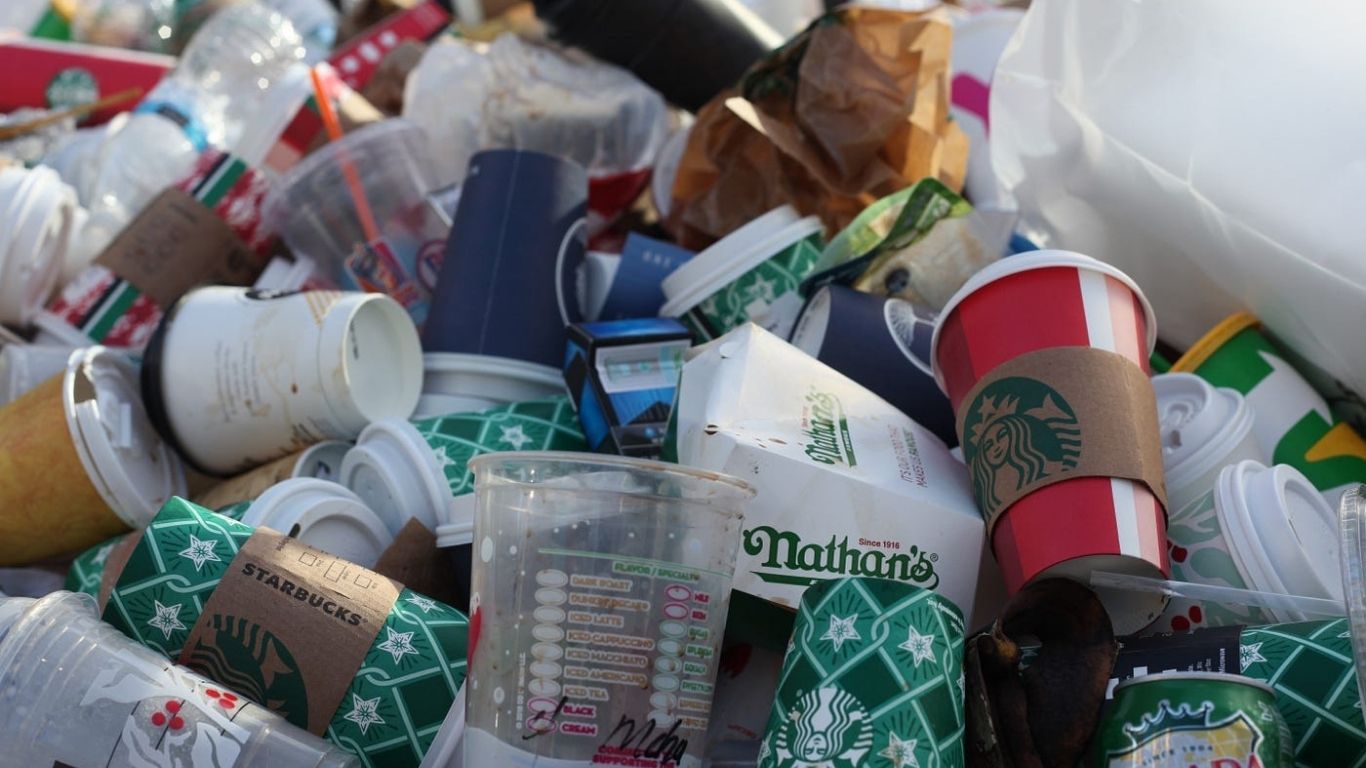
Researchers are warning that microscopic plastic fragments are everywhere around us. These particles exist in our atmosphere, soil, water sources, and have even infiltrated our bodies! These microscopic plastic pieces measure between 1 micrometer and 5 millimeters and cannot dissolve in water. People encounter these particles through multiple pathways. The health consequences of these plastics vary based on their type, dimensions, form, and levels of concentration. These particles can infiltrate human systems when sewage treatment facilities fail to remove them, or when they flow into oceans, creating dangers for both ecosystems and people.
Pathways of Microplastic Exposure
People primarily encounter these particles through contact with plastic items (such as packaging materials, deteriorating plastic goods, fishing equipment, fabrics, and personal care items) and exposure to paint debris (like paint wear) that has entered our environment (including air, fresh water, ocean water, and earth). Therefore, people can encounter these particles by swallowing them directly, touching them, or breathing them in.
Signs and Symptoms of Exposure
No specific test exists to identify these particles within our bodies, but certain signs might suggest exposure problems, including:
- Ongoing tiredness
- Stomach problems (swelling, difficulty with bowel movements, discomfort)
- Mental cloudiness
- Mysterious swelling
- Hormone disruption
These exposure signs might look like other health issues, making routine medical examinations extremely valuable.
Health Impacts of Microplastics
These particles can harm multiple body systems, including digestion, breathing, hormone regulation, reproduction, and immunity. Initially, our digestive system suffers when we consume these particles. They might alter gut bacteria balance, creating an imbalance between helpful and harmful microorganisms, potentially causing stomach symptoms like pain, swelling, and bowel changes.
Regarding breathing, these particles may trigger lung stress when inhaled, causing respiratory problems like coughing, sneezing, and breathing difficulties from inflammation and tissue damage, plus exhaustion and lightheadedness from reduced blood oxygen. Recent research revealed that nano-scale plastics were linked to cellular damage in human lung tissue. These particles can transport other environmental poisons, such as PS. High PS exposure harms human lung tissue, raising chronic lung disease risks.
Additionally, these particles disrupt hormone creation, release, transport, processing, and removal, causing endocrine problems and various hormone-related disorders, including metabolism issues, developmental problems, and reproductive complications. Research on human lung tissue demonstrated that these particles can trigger natural immunity by controlling genes and proteins involved in immune responses.
Emerging Concerns: Microplastics in Human Organs
Several years back, when these particles appeared in fish digestive systems, concerns centered on seafood safety. In 2017, Belgian researchers reported that seafood enthusiasts might consume up to 11,000 plastic fragments yearly through mussels, a popular local food.
Under these conditions, it wasn’t surprising when in 2022, Dutch and British scientists announced discovering tiny plastic fragments in living people, in two previously unseen locations. One location was deep within surgical patients’ lungs, and another was in donated blood samples.
Studies on human health effects from these particles are just starting. The fragments have appeared in various organs and tissues, including brains, reproductive organs, hearts, stomachs, lymph systems, and placentas. They’ve also been found in urine, breast milk, reproductive fluids, and newborn waste.
Microplastics in the Brain
Scientists recently discovered that our brains accumulate these particles faster than other body organs, with concentrations growing approximately 6% annually. University of New Mexico researchers dissolved brain tissue in alkaline solution, breaking down neurons and blood vessels while leaving behind liquid containing thousands of tiny plastic fragments.
After analyzing 52 human brain samples, half from 2016 and half from 2024, the team found a 50% concentration increase over eight years. Average brain samples contained about 7 grams of these particles, roughly equivalent to a plastic utensil’s weight.
These plastic fragments exist in nanometer sizes, typically 1000 times thinner than human hair. They’re small enough to penetrate cell barriers, where they can cause cellular damage by making cells burst or leak. Worse still, the research found that dementia patients’ brains contained up to 10 times more particles than healthy brains, potentially connecting these plastics to brain deterioration diseases.
Practical Solutions for Reducing Exposure
Specialists suggest making simple but meaningful adjustments: replace non-stick and plastic cooking equipment with safer options, select natural fiber clothing, and seek plastic-free personal care products. Choose glass containers when purchasing items like nut butters or drinks, and prepare meals at home whenever feasible. When eating out, consider bringing glass containers for leftovers.

Use aluminium foil instead of plastic wrap, and select wooden or metal playthings for small children. Since heat increases chemical release from plastics, avoid heating food in plastic containers and hand-clean plastic items rather than using dishwashers. Don’t reuse damaged plastic items, as deterioration may release more particles.

Everyone should access guides showing plastic alternatives. For instance, instead of disposable plastic dishes, we can promote eco-friendly plates made from betel leaves. Rice-based straws can replace plastic ones, natural tooth-cleaning sticks can substitute plastic toothbrushes, and paper writing instruments can replace plastic pens. These minor modifications can spark revolutionary change against plastic in our modern world.
Finally, maintaining healthy habits, adequate rest, nutritious eating, and stress control can boost our body’s natural defenses.
Global Initiatives and Policy Actions
Multiple international groups have launched efforts against these particles. The European Union prohibited them in cosmetics in 2015. In America, the “Microbead-Free Waters Act of 2015” banned cosmetic production containing microbeads. Beyond laws, many research centers actively develop new collection and recycling technologies for these particles. Environmental groups also conduct campaigns to decrease usage. Furthermore, schools are adding lessons about these particles, local groups organize cleanup events, and reusable product use is being promoted.
Raising Public Awareness
Building public knowledge about these particles is a critical step. When people learn about harmful effects, they’re more likely to reduce daily plastic use and feel motivated to choose reusable options. Solving this particle problem depends on raising awareness about plastic use and ensuring alternative products are available.
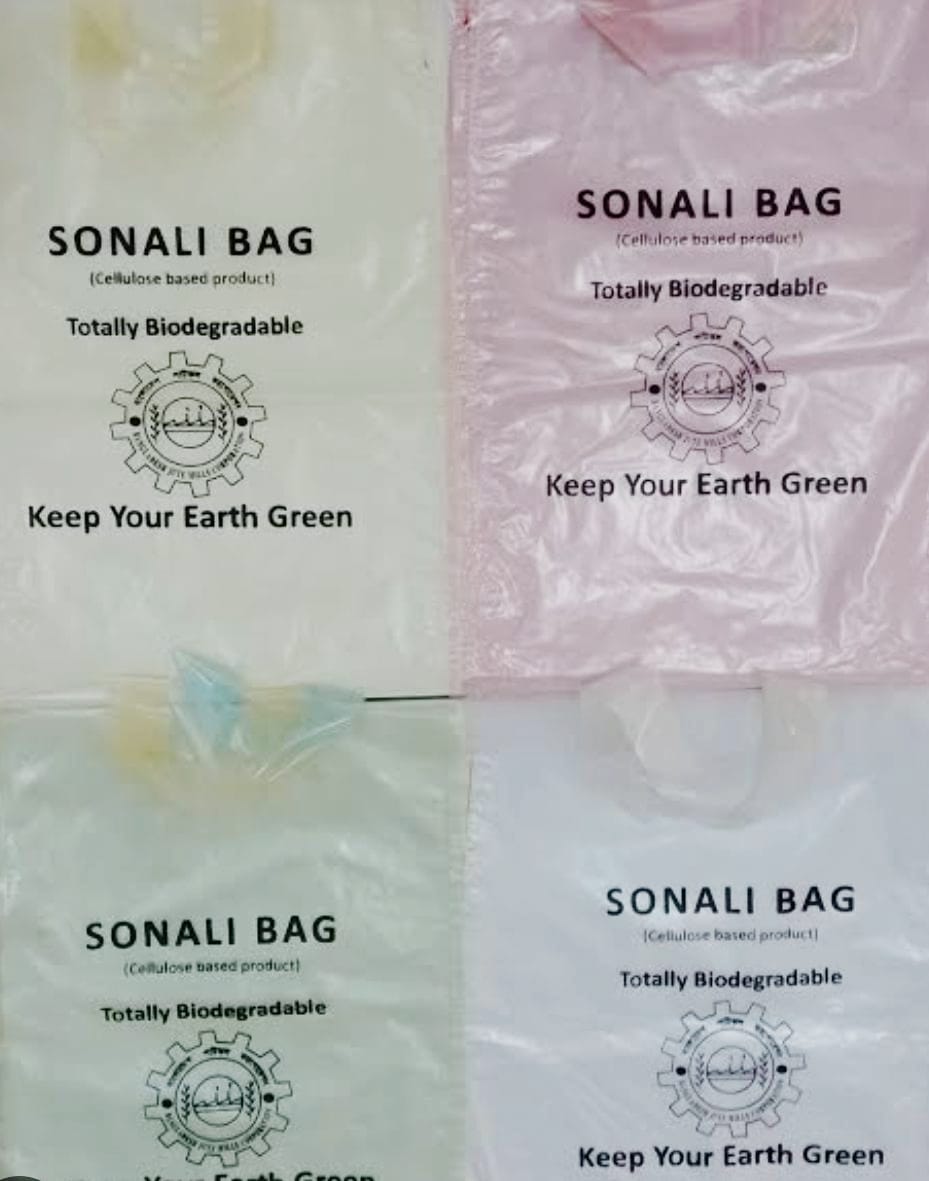
For example, the “Sonali Bag”, a biodegradable plastic bag alternative made from jute, is becoming popular in Bangladesh. This plant-based bioplastic is environmentally safe and can serve as a sustainable replacement for regular plastic bags. Since jute is a major global fiber crop, this creates a sustainable and eco-friendly solution. The battle against plastic pollution also benefits from ongoing technological progress.
A recent study published January 2, 2024, in the International Journal of Molecular Sciences highlighted breakthrough research on ocean bacteria. This research showed that certain marine bacteria can degrade or decompose plastics.
A Collective Responsibility
Microscopic plastic pollution is a worldwide problem with extensive environmental and human health impacts. We can address this challenge through combined awareness and effective action. It’s essential to take steps at personal, community, and government levels to tackle this particle problem. Quick action is necessary to guarantee a clean and healthy environment for future generations.




