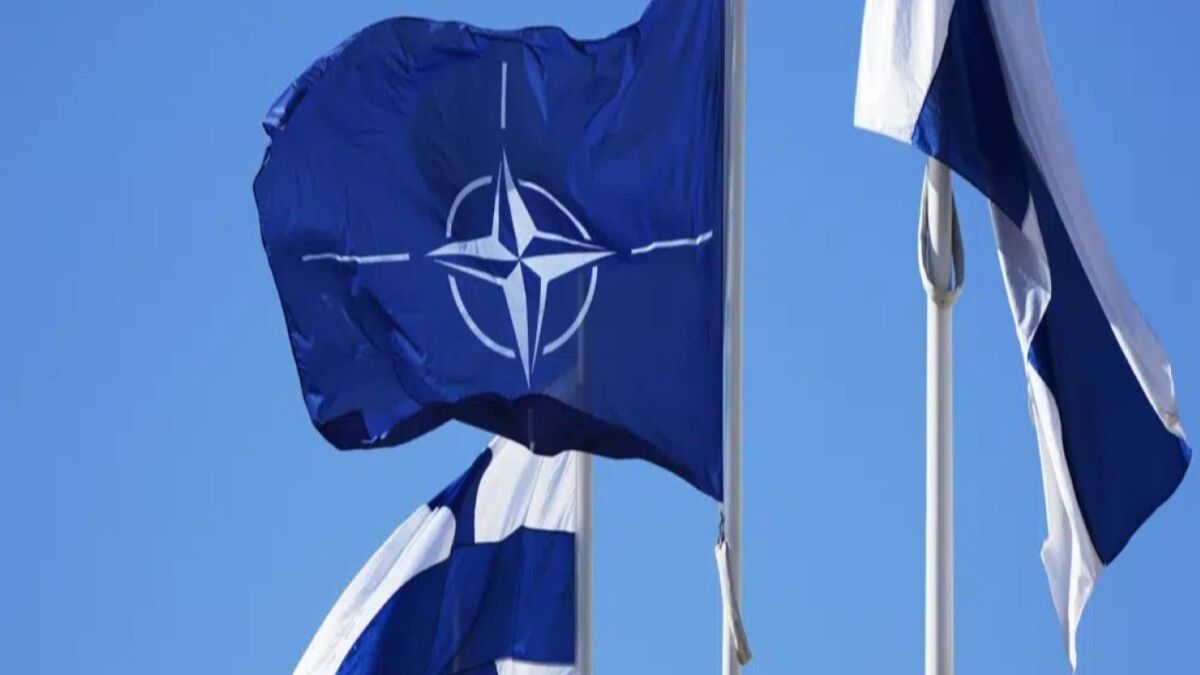
The future of NATO and international alliances is shaped by several evolving geopolitical, economic, and technological factors. While predictions are inherently uncertain, the experts anticipate some key trends and challenges that can help outline potential directions. NATO calls for a summit in June, 2025, hosting the Netherlands, to discuss the adversaries on the way they approaching.
Strengthening Alliances Beyond NATO
Regional Alliances and new forms of partnership will come to envy with NATO perhaps. As the world becomes more multipolar, regional alliances like the African Union (AU), the Association of Southeast Asian Nations (ASEAN), and the Arctic Council may gain importance. NATO may increasingly work in concert with these regional organizations to address local and global security concerns.
Moreover, the future of international alliances could feature flexible, issue-specific coalitions. Countries may form ad-hoc alliances to tackle specific challenges like pandemics, cyber threats, or disarmament rather than relying on traditional, broad-based organizations.
Shifting US Influence
The future of NATO will be influenced by the level of US commitment to the alliance. While the US has traditionally been the backbone of NATO, its engagement may fluctuate based on domestic politics and shifting priorities. So, decision on rebalancing US Engagement may also be taken eventually.
When a question arises on reciprocal superiority, the European feels the need of Autonomous European Defense: In response to potential unpredictability in US foreign policy, European NATO members may push for greater military autonomy. The creation of the European Defense Union or increased defense spending could reduce dependency on the US while enhancing the alliance’s overall capability.
Emergence of Public Controversial Opinion and Political Shifts
Public opinion, driven by domestic politics and anti-alliance sentiment, in key NATO member states could influence the future of the alliance. Growing skepticism about NATO’s relevance, or increasing isolationist sentiments, especially in the US or Europe, could affect the alliance’s cohesion and future direction.
Additionally, in some countries, rising populism and nationalism may create internal pressure to scale back international commitments or question the value of certain alliances. This could complicate efforts to maintain unity within NATO and other international frameworks.
Expansion and Membership continued
Despite Russia’s contravention, NATO continued eastern expansion, with countries like Sweden and Finland considering membership, which could shape the alliance’s future like Ukraine. NATO may continue to open its doors to countries seeking protection and alignment with Western values.
Countries like Australia, Japan, and South Korea as Global Alliances have been increasing their cooperation with NATO, signaling that alliances may become more global in scope, focusing on shared democratic values and economic interests rather than being solely Euro-Atlantic.
Probably more to escape from the squeezed way
The alliance will need to enhance its adaptation to emerging threats and capabilities in cyber defense, intelligence sharing, and resilience against non-traditional threats. In addition, when regional instability is a matter of concern, with rising tensions in areas like Eastern Europe, the South China Sea, and the Middle East, NATO and other alliances may have to focus more on regional security dynamics, particularly around Ukraine and the Baltics.
NATO’s stance against China’s Rise and surveillance on Indo-Pacific Focus may also be reshaped as a strategic pivot, as China seems more assertive in its foreign policy and initiatives like the Belt and Road. Alliances in the Indo-Pacific, such as the Quad (US, Japan, India, and Australia), may become more integrated with NATO’s strategic interests. Additionally, NATO could increasingly engage in broader economic and technological alliances to counter China’s growing influence in these areas, particularly in terms of 5G networks, AI, and infrastructure.
Alert actions regarding technological and Military Innovation are also expected from the NATO and the alliances. As new technologies such as artificial intelligence, autonomous weapons, and space defense systems become more prominent, NATO and other alliances will need to integrate these into their defense strategies.
Perhaps, NATO might expand partnerships with tech companies and innovation hubs to stay ahead of potential adversaries in cutting-edge military technologies.
In consideration of global governance, in a multipolar world, NATO and other international alliances may have to adjust their approach to institutions like the United Nations and World Trade Organization. There may be a greater emphasis on cooperation between NATO, the UN, and other multilateral bodies to address global security issues that transcend national borders.
Actually, the future of NATO and international alliances will likely be marked by adaptation to evolving geopolitical landscapes, shifting power dynamics, and new forms of warfare. While traditional alliances such as NATO will remain central, their role may evolve to address a wider range of global challenges. The growing complexity of international relations suggests that alliances will need to become more flexible, collaborative, and technologically advanced to remain relevant in a rapidly changing world.