

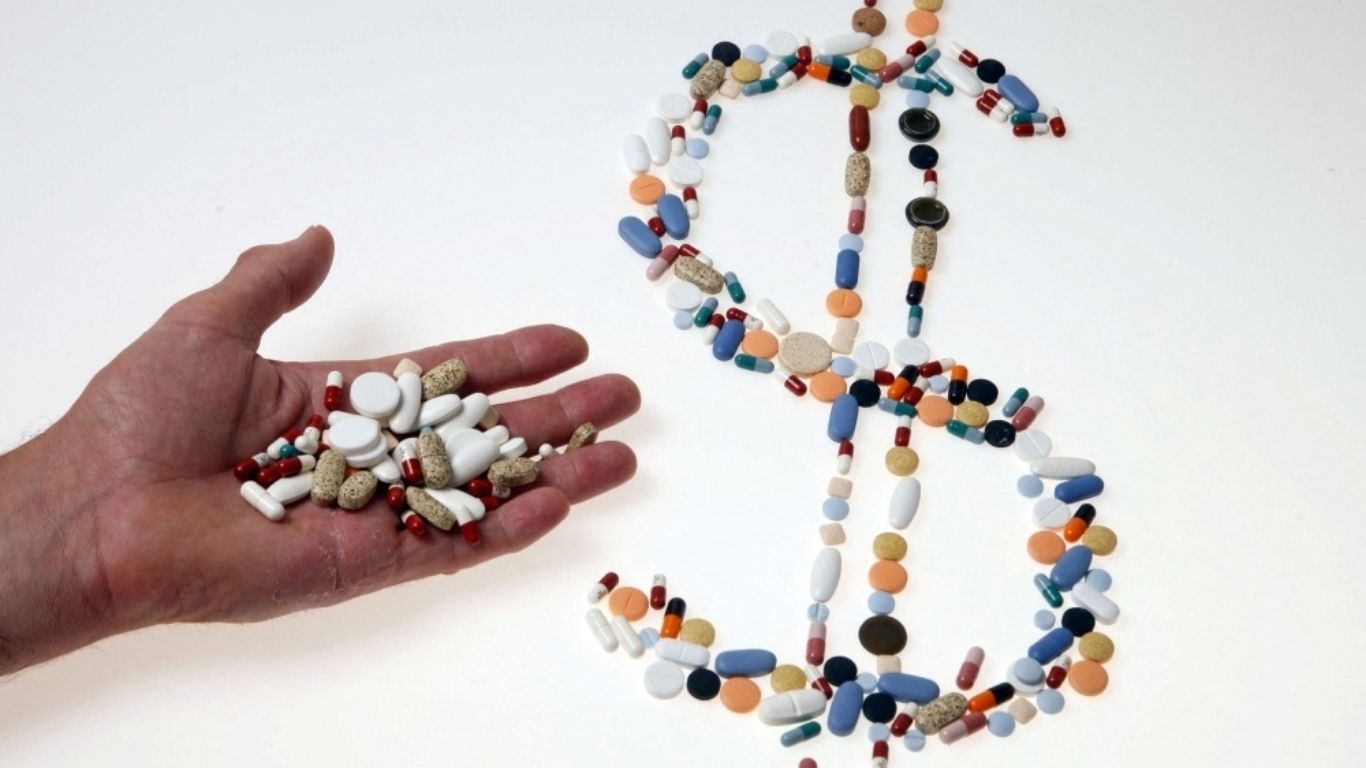
President Trump announces plans for sweeping pharmaceutical tariffs, starting small but escalating to 250% over 18 months, aiming to end foreign drug dependency and lower U.S. drug prices. Here’s what it means for the global pharma industry.
In a seismic move set to disrupt the global pharmaceutical landscape, former President Donald Trump declared his intent to impose aggressive tariffs of up to 250% on imported pharmaceuticals, aiming to rebuild domestic drug manufacturing and end America’s reliance on foreign-made medicines. Speaking to CNBC on August 5, Trump confirmed that the new tariffs will be rolled out “within the next week or so,” starting modestly before escalating over a year to 18 months.
This unprecedented tariff initiative is poised to reshape the global drug supply chain, which has been extensively globalized since the 1990s, with major production hubs in China, India, and Ireland. Trump’s bold trade strategy targets the pharmaceutical and semiconductor industries, marking a significant escalation in his long-promised agenda of bringing critical manufacturing back to American soil.
A Phased Tariff Strategy
According to Trump, the tariff plan will commence with a “small initial tariff on pharmaceuticals”, providing drug manufacturers with a grace period to adjust their operations. However, this is just the beginning of a calculated escalation.
“In one year, one-and-a-half years maximum, it’s going to go to 150%, and then it’s going to go to 250%, because we want pharmaceuticals made in our country,” Trump stated emphatically.
The strategic phasing of these tariffs is designed to give pharmaceutical companies sufficient time to repatriate their manufacturing facilities to the United States, without causing immediate disruptions to the drug supply chain. However, the steep tariff climb is also a clear message to the pharmaceutical giants: move operations stateside or face crippling import duties.
A Global Supply Chain Under Siege
Trump has repeatedly criticized the pharmaceutical industry’s outsourcing of production to foreign countries, particularly targeting China and Ireland. He argues that these nations “make a fortune” by exporting pharmaceuticals to the U.S., often at the expense of American jobs and economic security.
The global drug supply chain, which spans from European laboratories to Asian manufacturing hubs, has become a focal point of Trump’s trade rhetoric. By imposing tariffs on these imports, Trump aims to disrupt the status quo and force companies to prioritize U.S.-based production, thereby enhancing national security and reducing dependency on foreign suppliers for essential medications.
Pressure Campaign on Drug Pricing: Letters to 17 Pharma Giants
In addition to tariffs, Trump is amplifying pressure on pharmaceutical companies to reduce U.S. drug prices. On July 31, he dispatched letters to 17 major drug companies, urging them to align their U.S. pricing with the “most favored nation” prices paid by other countries. This move is intended to close the gap between exorbitant American drug prices and the significantly lower prices seen in Europe and other global markets.
The letters specifically called for:
- Lower Medicaid drug prices to match global standards.
- Aligning prices for new drugs under Medicare and private insurance with international benchmarks.
- Direct-to-consumer and business pricing reforms to end abusive pricing practices.
Trump’s message was clear and forceful:
“Make no mistake: a collaborative effort towards achieving global pricing parity would be the most effective path for companies, the government, and American patients. But if you refuse to step up, we will deploy every tool in our arsenal to protect American families from continued abusive drug pricing practices.”
Implications for Big Pharma and U.S. Consumers
If implemented, these escalating tariffs could have far-reaching implications for both global pharmaceutical giants and American consumers. For multinational drug companies, the pressure to relocate manufacturing to the U.S. will involve significant investments and logistical recalibrations. Supply chains that have been optimized for cost efficiency over decades may face complete restructuring.
For U.S. consumers, the long-term vision is to achieve lower drug prices through domestic competition and reduced import dependency. However, in the short term, there are concerns about potential drug shortages and price hikes as the supply chain adjusts.
Strategic Leverage or Risky Gamble?
While Trump’s tariff plan is seen by supporters as a strategic move to protect American jobs and national health security, critics warn of the potential fallout. The pharmaceutical industry warns that sudden disruptions to the global supply chain could affect drug availability, especially for critical medications.
Yet, Trump remains unwavering, positioning this as a necessary confrontation to end what he describes as “decades of abusive pricing practices and foreign exploitation.” His administration has long argued that pharmaceutical companies exploit American consumers by charging the highest drug prices globally, while offering the same products in other countries at a fraction of the cost.
The Countdown Begins
As the clock ticks towards the official tariff announcement, the global pharmaceutical sector faces a critical inflection point. Trump’s aggressive stance could either catalyze a manufacturing renaissance within the U.S. pharmaceutical industry or trigger a turbulent period of supply chain disruptions and legal battles.
For now, Trump has drawn a clear line in the sand: Pharmaceutical manufacturing must return home, or foreign-made drugs will face tariffs as high as 250%.




