
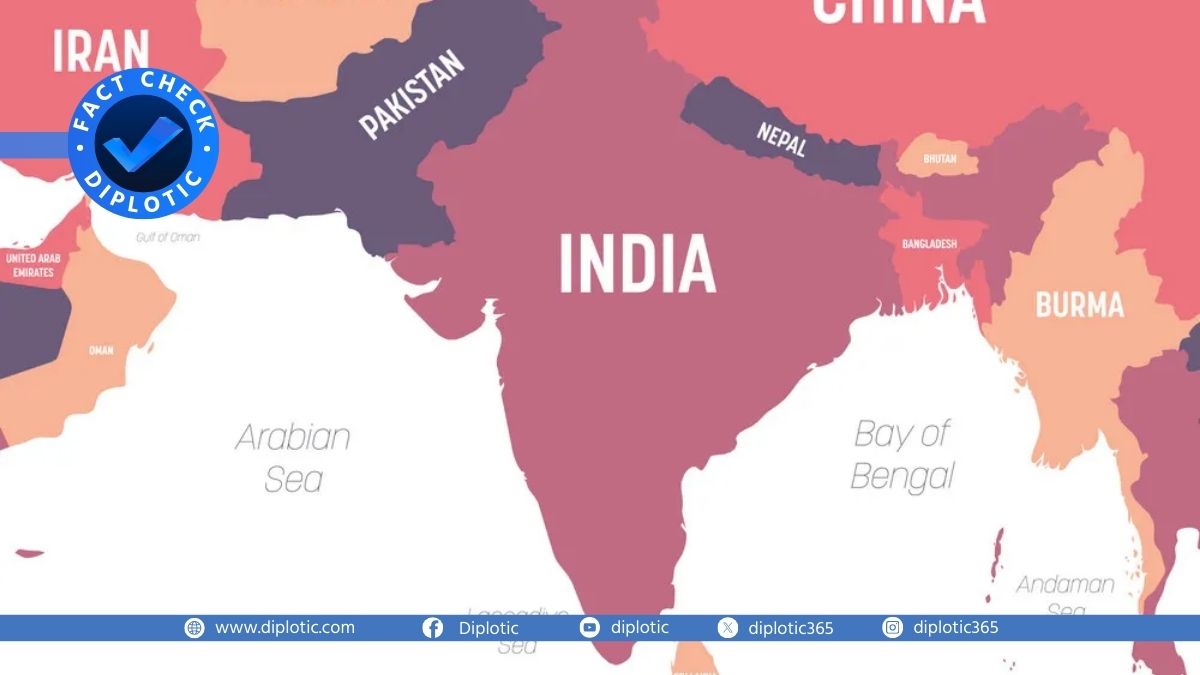
South Asia’s youth are a force of nature—over 500 million strong, aged 15-24, fueling everything from startups in Bengaluru to protests in Dhaka. This demographic wave could supercharge growth, turning the region into an economic powerhouse. But as of September 2025, with unemployment lines lengthening and gig jobs barely paying bills, a stark question emerges: Are the jobs multiplying fast enough to harness this energy, or is it fizzling into frustration? The World Bank’s latest warnings paint a grim picture of squandered potential amid 5.8% regional growth. This fact-check unpacks five pivotal claims using fresh ILO and World Bank data, revealing triumphs, traps, and the ticking clock on a dividend that could vanish by 2040. Buckle up: The stakes are sky-high for 1.9 billion lives.
The Claims on the Table
The youth boom in South Asia—driven by falling birth rates and rising life expectancy—promises a “demographic dividend” of cheap labor and innovation. But debates rage: Is job creation matching the influx? Here are five claims we’ll scrutinize:
- South Asia’s working-age population grows by about 19 million yearly, but job creation averages only 10 million, creating a massive gap.
- Youth unemployment in the region hovers around 15%, three times the adult rate, signaling a crisis for new entrants.
- India’s job growth has added 170 million positions since 2016, outpacing its youth bulge.
- In Pakistan, Bangladesh, Nepal, and Sri Lanka, youth-led protests in 2025 stem directly from job shortages.
- Reforms like skills training and gig economy expansion are closing the employment gap effectively.
We’ll cross-check these with ILO’s 2025 trends, World Bank updates, and country-specific reports up to September 2025.
The Demographic Drama: A Boom Turned Burden?
South Asia’s story is one of explosive potential laced with peril. As Britannica traces, post-colonial booms in the 1990s—India’s liberalization, Bangladesh’s garment surge—sparked hope. By 2000, the region’s median age was 23, versus 38 globally, promising East Asia-style miracles. But unlike Japan’s factory floors or Korea’s tech leaps, South Asia’s growth leaned on low-skill services and agriculture, trapping youth in informal gigs.
Politically, leaders tout “demographic dividends” in election speeches, yet corruption and policy flip-flops—like Nepal’s 2025 education cuts—erode trust. Socially, it’s a powder keg: Women face 20% lower participation rates, per ILO, fueling gender divides. Environmentally, climate shocks—Pakistan’s 2022 floods wiped 2 million jobs—exacerbate scarcity. By 2025, the window narrows; ILO warns the dividend peaks by 2030 without reforms. This history underscores a hypocrisy: Governments celebrate youth numbers but starve the systems that employ them.
Claim 1: A 9 Million Job Gap Every Year?
Critics argue the region’s 19 million annual working-age additions dwarf 10 million new jobs, risking a lost generation.
Verification: Dead on. World Bank’s April 2025 South Asia Development Update confirms: From 2000-2023, working-age population grew 1.9% yearly (19 million people), but employment lagged at 1.7% (10 million jobs). Updated September 2025 projections hold steady, with 18-20 million entrants yearly but only 11-12 million jobs amid 5.8% GDP growth. ILO’s WESO 2025 echoes: Southern Asia drives 90% of regional employment growth, yet vulnerable work absorbs most.
Cross-checks from ADB show similar: Bangladesh adds 2 million youth yearly, but formal jobs cover half. This gap squanders 16% potential output, per World Bank. Socially, it breeds migration—3% of working-age flee abroad. Politically, it’s a miscalculation: Growth chases headlines, not hires.
Verdict: True. The math doesn’t lie—a chronic shortfall that’s turning promise into peril, with no quick fix in sight.
Claim 2: Youth Joblessness at 15%, Triple Adults?
The pitch: Regional youth unemployment is stuck at 15%, dwarfing adult rates and dooming the young.
Probe: Spot-on, with fresh bite. ILO’s Global Employment Trends for Youth 2024 (updated 2025) pegs South Asia’s youth rate at 14.5-15.8% in 2024, projected steady at 15% for 2025—versus 5% for adults. India’s 15.79% leads, per Statista/World Bank 2023 data carried to 2025. Pakistan hits 11%, Bangladesh 12%, but NEET rates (not in education, employment, or training) soar to 25% regionally.
FRED/World Bank series confirms 13-15% trend since 2020. Why triple? Skills mismatches and informal traps, per ILO. Gender twist: Young women idle at 30% NEET. Economically, it drags GDP; socially, it sparks anxiety—ILO notes 60% of youth fear prospects.
Verdict: True. It’s a glaring red flag, highlighting how growth glosses over youth exclusion—a strategic oversight in policy playbooks.
Claim 3: India Leads with 170 Million New Jobs?
Optimists hail India for creating 170 million jobs since 2016, absorbing its 10 million yearly youth influx.
Check: Overhyped. PLFS data via PIB claims 36% employment rise (170 million added) from 2016-2023, but 2025 updates show slowdown: Only 8 million net jobs in FY24 amid 12 million entrants. ILO’s India Employment Report 2024 flags quality issues—80% informal, youth worker-population ratio 40% below adults. EPW 2024 analysis projects 2030 shortfall: Services grow, but manufacturing stalls at 12% jobs.
World Bank notes rebound in 2023, but overall lag: Employment ratio fell till then. Socially, urban youth thrive in IT (126,000 hires 2025), but rural 70% idle. Irony: World’s fastest grower, yet youth despair highest.
Verdict: Misleading. Numbers rose, but pace and quality falter against the bulge— a classic case of quantity over quality.
Claim 4: 2025 Protests Fueled by Job Woes?
Skeptics link Bangladesh, Nepal, Sri Lanka, and Pakistan’s youth uprisings to employment droughts.
Evidence: Firmly yes. Al Jazeera’s September 2025 piece ties Sri Lanka’s 2022 echoes, Bangladesh’s 2024 ouster, Nepal’s September protests (10,000 youth via Discord), and Pakistan’s rallies to job rage. ILO notes 2025 unrest in low-job nations: Bangladesh’s 12% youth rate sparked quotas fury; Nepal’s 20% unemployment fueled anti-corruption marches. Indian Express links Indonesia (close kin) and South Asia revolts to “undelivered dividends.”
HRW’s Ganguly flags socioeconomic gaps as root. Politically, elites ignore pleas; socially, Gen Z learns cross-border via X. Contradiction: Growth masks the grind.
Verdict: True. Protests are the canary in the jobless coal mine, exposing governance gaps amid the boom.
Claim 5: Skills and Gigs Bridging the Divide?
Believers say training programs and platforms like Upwork are filling voids fast.
Dig: Not yet. ADB/World Economic Forum 2025 report praises gig growth—Bangladesh’s 600,000 freelancers add $1B exports—but covers <10% youth. ILO’s 2025 skills push (e.g., Indonesia’s 3,000 counselors) helps, but gaps persist: 70% youth unskilled for formal jobs. Nepal’s policy talks lag; Sri Lanka’s STEM framework stalled post-crisis.
World Bank urges cross-sector fixes, but 2025 funding dips 15%. Socially, gigs empower women but breed burnout. Witty twist: Digital dreams in analog realities.
Verdict: False. Efforts nibble edges, but systemic overhaul lags— a half-measure in a full-crisis world.
Ripples and Reckonings: A Region at the Crossroads
This job drought echoes wide. Economically, untapped youth shave 1-2% off GDP yearly, per ILO. Socially, it widens rifts—rural-urban, gender, caste—with 25% NEET fueling migration and mental health woes. Politically, 2025’s revolts signal volatility; WEF notes youth rewriting narratives via entrepreneurship, but at what cost?
Angles abound: Climate jobs (green skills for 10 million roles) offer hope, but floods erase gains. Gender lens: Boosting women’s 25% participation could add 100 million workers. Globally, as ILO warns, South Asia’s lag tests SDGs—decent work by 2030 feels distant. The hypocrisy? Leaders pledge dividends but peddle protectionism over trade that creates jobs.
By 2025’s end, with growth at 5.8%, the verdict is clear: Jobs must match the march, or the boom becomes a bust. Youth aren’t waiting—they’re marching. The question is, will policies catch up?