

When SpaceX gears up for a Falcon 9 launch from Vandenberg Space Force Base, it’s hard not to get curious. On July 27, 2025, a possible launch could send 24 Starlink satellites into low-Earth orbit, promising internet connectivity and maybe a few sonic booms to rattle windows in Santa Barbara, San Luis Obispo, and Ventura counties. With Elon Musk’s SpaceX churning out launches like a cosmic assembly line, this mission follows a July 18 Starlink deployment and NASA’s TRACERS mission on July 23. But not everyone’s thrilled—some locals grumble about the noise and disruption. Will the launch go off without a hitch? Where can you catch the show? And why do sonic booms sound like the sky’s throwing a tantrum? Let’s dig into the details, cross-check the facts, and unpack the science, with a sardonic grin and a nod to my preference for watching from a safe, earthbound couch.
Vandenberg’s Rocket Revival: A Starlink Show in the Making
SpaceX’s Falcon 9, a 230-foot workhorse, is slated to lift off from Vandenberg Space Force Base’s Launch Complex 4E in Santa Barbara County, California, potentially at 8:55 p.m. PT on July 26, 2025, though backup windows exist through July 27, per a Vandenberg alert. The mission aims to deploy 24 Starlink V2 Mini satellites into low-Earth orbit (LEO) at about 341 miles altitude, joining a constellation of nearly 8,000 satellites delivering global internet. These launches are part of SpaceX’s relentless 2025 schedule—88 Falcon 9 missions by July 26, with 451 successful Block 5 launches since 2018, boasting a 99.78% success rate.
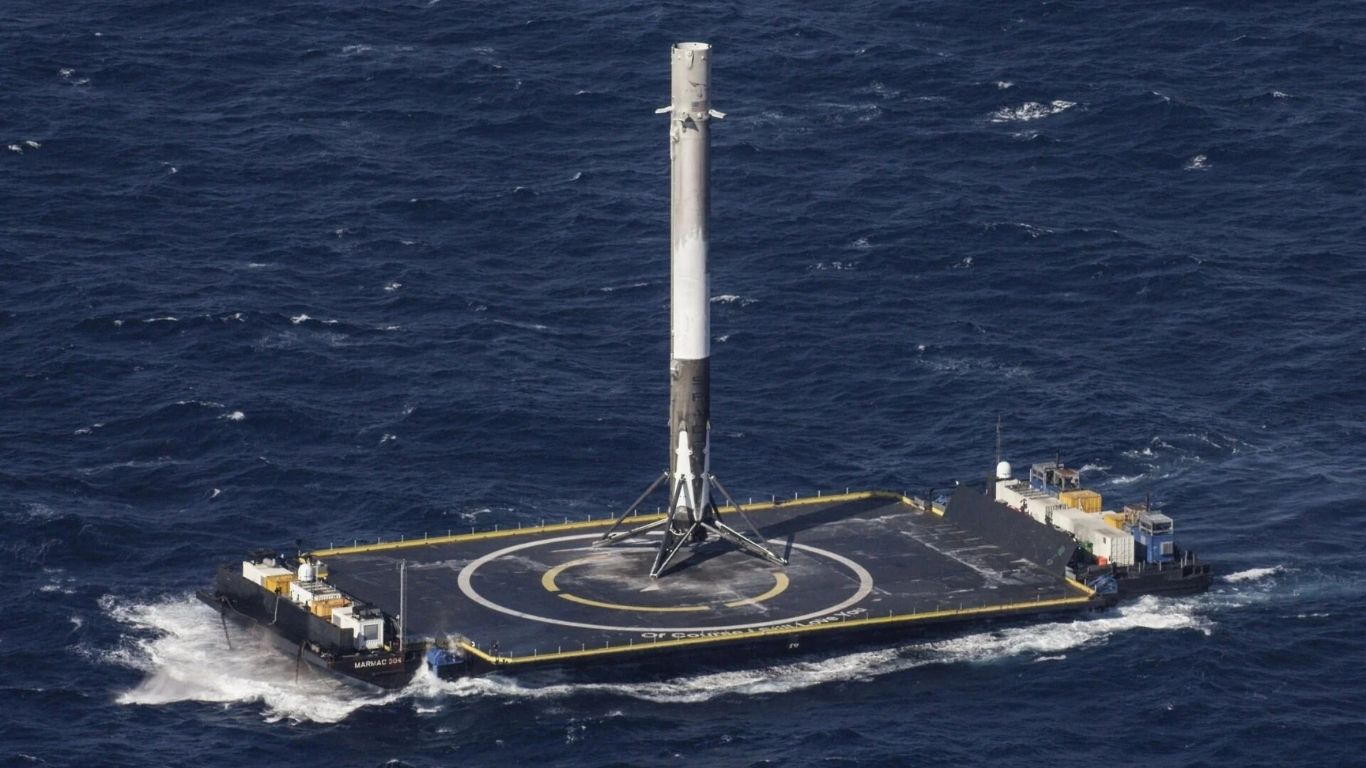
The July 27 launch, if it happens, follows a July 18 mission that sent 24 Starlink satellites aloft at 8:52 p.m. PDT from the same pad, with booster B1082 landing on the droneship Of Course I Still Love You in the Pacific. Posts on X confirm SpaceX’s recent activity, with a July 19 launch of 24 satellites and a July 16 mission with 26, both from Vandenberg. But launches are fickle—weather, technical glitches, or last-minute scrubs (like a May 3 delay for Starlink 15-3) can derail plans. As one X user quipped, “SpaceX launches are like my dating life—scheduled, but often canceled last minute.”
Why Vandenberg? The Base and Its Cosmic Role
Vandenberg Space Force Base, established in 1941 as an Army camp before becoming a key launch site, is a hub for military, NASA, and commercial missions like SpaceX’s. Located in Santa Barbara County, it hosts Space Launch Delta 30, overseeing launches and missile tests. Its west coast position is ideal for south or southeast trajectories, perfect for polar and LEO orbits like Starlink’s. Unlike Cape Canaveral, Vandenberg’s launches often target polar orbits to boost connectivity in high-latitude regions like Alaska, with SpaceX planning 400 more polar satellites by year-end.
The base’s military status means no public viewing at Launch Complex 4E, but clear skies let spectators catch the action from spots like Lompoc’s Ocean Park (four miles from the site), Allan Hancock College (nine miles), or Surf Beach, despite its tricky Amtrak crossing. Explore Lompoc lists additional vantage points, like Riverbend Park, for those eager to see the Falcon 9’s fiery ascent. But not all locals are cheering—some in Santa Barbara County gripe about frequent launches disrupting their quiet coastal life, with one X post calling them “Musk’s noisy sky parades.”
Starlink: Internet from the Stars, but at What Cost?
Starlink, SpaceX’s brainchild, is a megaconstellation of over 7,965 active satellites (9,200+ launched since 2019), aiming for 12,000 with plans for up to 30,000. Orbiting at 341 miles, these flat-panel satellites use krypton-fueled thrusters and high-power antennas to deliver low-latency internet for streaming, gaming, and calls, unlike geostationary satellites at 22,236 miles. Priced from $80/month for residential plans, Starlink serves remote areas, recently expanding to Bhutan.
But the project isn’t without critics. Astronomers warn Starlink’s brightness disrupts night-sky observations, and space debris risks grow with each launch. A 2023 study estimated 6% of LEO satellites are defunct, raising collision fears. Locals near Vandenberg, meanwhile, brace for sonic booms—thunderous shocks from the booster’s supersonic return, audible in Santa Barbara, San Luis Obispo, and Ventura counties. “Sonic booms are cool until your windows rattle at 9 p.m.,” one Ventura resident posted on X, capturing the mixed sentiment.
The Falcon 9: A Reusable Rocket’s Workhorse Life
The Falcon 9, a two-stage rocket, is SpaceX’s pride, with 515 full successes in 518 launches by July 26, 2025. Its Block 5 variant, used since 2018, has a 98.7% booster landing success rate (453/459). For the July 27 mission, the first stage—possibly B1071, which flew 27 times by July 18—will aim for Of Course I Still Love You eight minutes after liftoff. Reusability slashes costs, with SpaceX’s 18 active boosters (seven on the West Coast) averaging a launch every 7.3 days from Vandenberg.
The booster’s return creates those sonic booms, caused by shockwaves as it decelerates through the atmosphere faster than sound (767 mph). Weather and trajectory affect audibility, but Vandenberg warns residents to expect brief, thunder-like noises. As one X user joked, “It’s like the sky’s yelling at you to go to bed.”
Watching the Launch: Where and How
No public access at Vandenberg means fans must find nearby spots. Recommended sites include:
- 13th Street and Arguello Boulevard: Closest public view of SLC-4E.
- Ocean Park (6851 Ocean Park Road): Four miles away, great for rocket ascents, but parking’s limited.
- Allan Hancock College (1 Hancock Drive): Nine miles out, with launch pad visibility.
- Surf Beach (Ocean Avenue): Popular but risky due to Amtrak tracks; trains pause during launch windows but restart if scrubbed.
SpaceX streams launches on its website and X, starting five minutes before liftoff (around 8:50 p.m. PT for July 26). Weather’s a wildcard—fog or clouds can obscure views, and launches often get delayed, as seen with a February 10, 2025, Starlink mission pushed from 3:46 p.m. to 6:09 p.m. PST. Check SpaceX’s X or Vandenberg’s alerts for updates.
SpaceX’s Bigger Picture: Musk’s Cosmic Ambitions
Founded in 2002 by Elon Musk, SpaceX aims to “revolutionize space technology” and colonize Mars. Headquartered at Starbase, Texas, it conducted 134 Falcon launches in 2024 alone, missing its 144-launch goal due to weather and mishaps like the Starlink 9-3 failure. Beyond Starlink, SpaceX supports NASA (e.g., Crew-11 on July 27 from Florida) and DoD contracts, launching classified payloads. Its Crew Dragon and Falcon Heavy have flown high-profile missions, like Polaris Dawn in September 2024.
Critics, though, question Musk’s priorities. X posts highlight local frustration with launch frequency, while environmentalists flag Starship debris concerns in Texas. A 2025 Mexican investigation into Starship fallout underscores regulatory tensions. Still, Musk’s vision—Starlink’s global reach, Mars dreams—drives SpaceX’s pace, even if it ruffles feathers.
The Bottom Line: A Sky Show with Strings Attached
So, will SpaceX launch on July 27? Maybe, if the weather and tech cooperate. The Falcon 9’s set to carry 24 Starlink satellites, boosting a constellation that’s reshaping internet access but sparking debates over space clutter and local noise. Catch it from Lompoc or online, but brace for sonic booms if you’re nearby. My take, as someone who’d rather sip coffee than chase rockets? It’s a hell of a show, but I’m glad my windows aren’t rattling. Check SpaceX’s site or X for last-minute updates, and maybe keep earplugs handy.




