

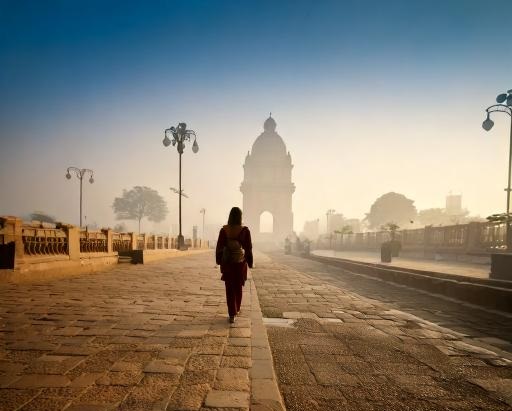
Winter in northern India arrives with more than just a nip in the air; it brings a silent assailant that creeps into homes, lungs, and lives — toxic smog. While the focus often zeroes in on Delhi’s air quality crisis, an even graver picture emerges in cities and villages across the Indo-Gangetic Plain, where pollution levels soar past the boundaries of health and sanity.
Smog Beyond the Spotlight
Delhi, being the capital, naturally garners the lion’s share of attention whenever the air grows thick enough to slice. Annual action plans, driving restrictions, and even a few bans on construction projects mark its battle against the invisible enemy. Yet, the real tragedy unfolds quietly beyond the capital’s glow, in towns and villages that rarely earn a mention. Here, the air is equally, if not more, suffocating — and the measures to combat it are dismal, to say the least.
There’s a common illusion about rural and semi-urban northern India: it’s imagined as a haven of green fields and clean skies. Reality, alas, has a cruel sense of irony. Far from this idyllic image, pollution blankets these regions like a curse that refuses to lift.
The Culprits Behind the Curtain
The problem, as one would expect, is a concoction of industrial emissions, unregulated vehicular smoke, rampant construction activities, and seasonal stubble burning. While these contributors operate year-round, winter exacerbates their impact. Cold air acts as a lid, trapping pollutants close to the ground. Add to that the region’s landlocked geography, which denies it the cleansing effect of strong winds, and you have a recipe for disaster.
The Indo-Gangetic Plain, hemmed in by mountains, is a geographical quagmire. Without adequate circulation, pollutants settle like an uninvited guest overstaying their welcome. Each winter, this atmospheric stagnation creates a toxic mix that lingers far too long.
A Health Crisis Lurking in Plain Sight
Breathing in this air is akin to inviting illness. It spares no one — children, adults, or the elderly. The eyes sting, the throat burns, and the lungs struggle. Those with preexisting conditions are particularly vulnerable, but even the healthy fall prey. Respiratory ailments spike alarmingly, hospitals witness a surge in cases, and life expectancy in the region plunges by over five years compared to global averages.
What’s more, the impact isn’t just physical. The psychological toll of waking up every day to a gray, stifling atmosphere chips away at morale. Daily routines are disrupted; leisure becomes a distant memory. Those with the means retreat behind air purifiers, but the vast majority soldier on — outdoors, exposed, helpless.
The Grim Reality of the Unnoticed
Take a moment to consider the daily wage earners, the street vendors, and the farmers who work under the open sky. With no option to escape indoors, they bear the brunt of this crisis. For many, air quality is a luxury they cannot afford to prioritize, as survival itself takes precedence.
This plight is not theirs alone but a shared burden of over 540 million people living across the Indo-Gangetic Plain. The absence of widespread acknowledgment only worsens their predicament. While some local governments have made efforts, such as the National Clean Air Programme (NCAP), the results have been underwhelming. Targets to reduce particulate matter remain ambitious on paper but lack the robust implementation needed to make a difference.
A Perennial Problem
One of the starkest failures in addressing this crisis is the lack of sustained public dialogue. Smog season triggers temporary outrage — headlines scream, citizens vent, and debates ensue. Yet, as soon as the air clears with spring’s arrival, the issue is shelved until the next winter rolls around.
This pattern of indifference feeds the problem. Without continuous effort, coordinated policies, and public engagement, the smog will return — thicker and deadlier than before.
A Final Breath of Reflection
To live in northern India during winter is to know what it means to survive under siege. The battle for clean air is far from over, and its greatest tragedy lies in how easily it slips from our collective memory. If this season has taught us anything, it’s that this isn’t just a Delhi problem or a headline moment — it’s a reality affecting millions, and it demands more than seasonal outrage.
One wonders, in the end, if we will ever look back on these years of choking air as the moment we should have done more. Or will history simply record that we let the smog settle, year after year, because it seemed too vast a cloud to clear?




