

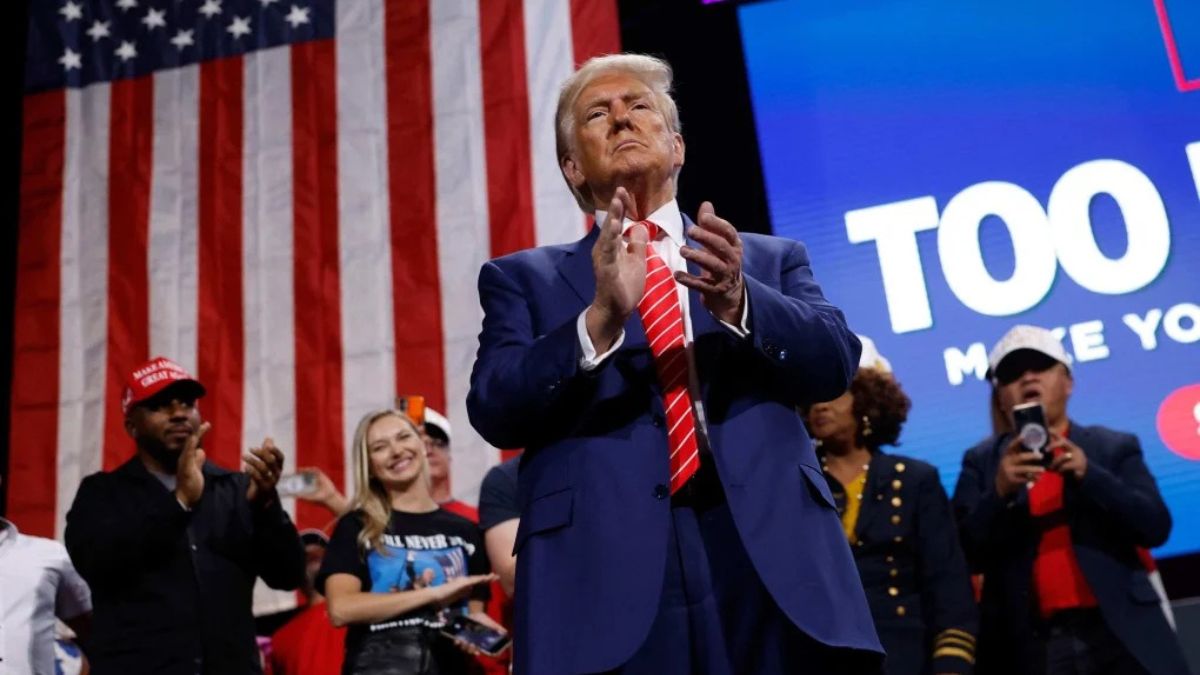
From the Middle East to the Arctic, the impact of President-elect Donald Trump is shaking up global relations. His incoming administration has set aside traditional diplomatic methods, opting instead for a forceful global strategy that is already yielding visible results.
In the Middle East, Trump wasted no time claiming credit for the recent Israel-Hamas hostage agreement, which followed months of difficult negotiations led by Biden and other US officials in coordination with American allies. “This historic ceasefire deal happened only because of our incredible victory in November,” Trump wrote on his Truth Social account.
Why Nations Are Bracing for His Return
“We’ve already accomplished so much without even stepping back into the White House. Imagine what we’ll achieve once I return,” he added. His firm warning that consequences would follow if no agreement was reached before his January 20 inauguration seemed to pressure key players, including Israeli leaders eager to solidify Trump’s vocal support ahead of his anticipated second term.
Around the world, allies and adversaries alike are treading carefully around Trump, whose unpredictable nature and strong election win have caused both concern and urgency. Many are rushing to secure his approval, fearing his favor could easily turn into hostility. An Israeli diplomat candidly remarked that it was in his country’s best interest to “keep Trump satisfied,” as there were concerns about his steadfast backing potentially wavering.
While this approach may not foster stable, long-term partnerships, Trump’s “America First” stance and assertive leadership style are already proving effective in the short term. For example, Trump recently revived his controversial proposal to purchase Greenland, the icy territory owned by Denmark. Greenland, located strategically between the US and Russia and rich in natural resources, was previously dismissed as an unrealistic acquisition during Trump’s first term.
This time, however, Trump’s suggestion came with an implied threat of US military action or at least the refusal to rule it out. While Denmark and Greenland continue to reject the idea of selling the territory, the proposal is being taken more seriously this time around, reflecting Trump’s growing influence and his ability to shift conversations to his advantage.
In other regions, nations are making moves to address Trump’s concerns even before he takes office, hoping to avoid direct confrontation. South Korea, for instance, finalized a five-year agreement to share the costs of maintaining over 28,000 US troops on its soil ahead of the US presidential election in November. This decision was likely influenced by Trump’s earlier criticism during his first term, where he accused South Korea of relying too heavily on US military support and demanded they pay up to $5 billion annually.
However, it’s in the ongoing Russia-Ukraine conflict where Trump’s influence might make the biggest splash. Trump previously claimed he could end the war in just one day but has now proposed more serious plans to bring the violence to a halt even if that doesn’t end Russian occupation. Both Russian President Vladimir Putin and Ukraine’s leader, Volodymyr Zelenskyy, have cautiously welcomed Trump’s involvement. Their reluctance to reject his intervention outright reflects concerns about Trump’s unpredictable nature and his potential to react harshly if slighted.
Trump’s looming presence on the international stage has created a sense of urgency and unease among world leaders. Whether this translates into long-lasting changes in global affairs or just short-term gains remains to be seen. For now, however, the “Trump factor” has undeniably altered how nations navigate diplomacy and power dynamics.




