

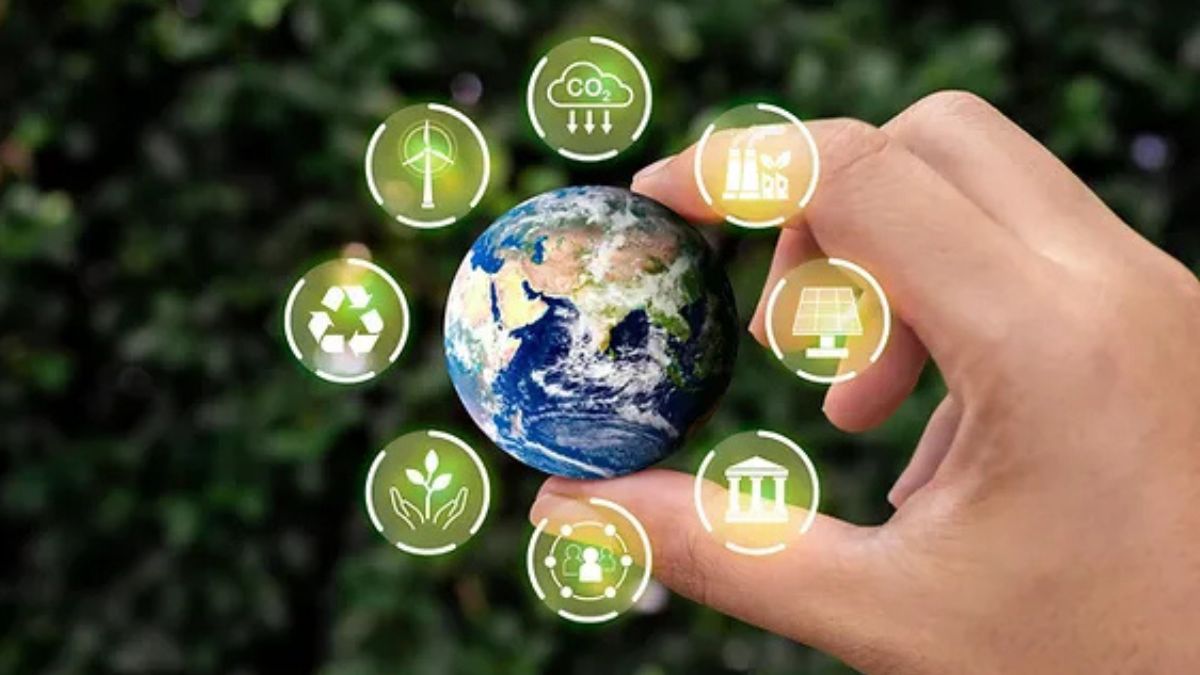
In 2023, Asia was hit the hardest by natural disasters initially caused by floods and storms. These phenomena led to numerous casualties and significant financial losses across the region. The World Meteorological Organization gave a report where they highlighted the worsening impact of heatwaves in Asia, with melting glaciers posing a serious risk to the region’s future water resources. This was emphasized in the latest editorial of the International Chamber of Commerce Bangladesh, which is known as ICCB.
To address the growing threat of climate-related disasters. The recently concluded COP29 summit in Baku set an ambitious goal: Mobilize at least $300 billion annually by 2035. This forms part of a larger plan to raise $1.3 trillion each year to support climate action in developing nations with wealthier countries taking the lead.
Efforts to tackle another pressing environmental issue, plastic pollution, have also been underway. The 5th Session of the Intergovernmental Negotiating Committee INC-5, held in Busan, South Korea, aimed to create a global legally binding agreement to address plastic pollution, including its impact on marine ecosystems. However, the session ended without a resolution as delegates from 179 nations decided that more time was needed for negotiations. A resumed session is planned to finalize the agreement.
What is the Circular Economy and Why it Matters
As environmental concerns and resource shortages dominate discussions worldwide, the concept of the circular economy offers a promising way forward. Unlike the traditional “take-make-dispose” model of the linear economy. The circular economy focuses on sustainability and efficiency. By rethinking how we produce, consume, and discard goods. It turns waste into valuable resources, fostering economic growth while protecting the planet.
The circular economy is built on three major principles: one is eliminating waste, and the last one is pollution. Keeping materials and products in use for as long as possible and regenerating natural ecosystems. These ideas promote the reuse and recycling of materials, extend product lifespans, and reduce environmental harm. This approach not only conserves resources but also lowers greenhouse gas emissions, tackles pollution, and creates new business opportunities.
Several developed countries are already demonstrating the potential of the circular economy. For example, the Netherlands aims to cut its raw material usage in half by 2030 through initiatives like recycling and repairable products. Sweden has achieved an impressive milestone by converting 99% of its household waste into energy. Similarly, Patagonia, which is an outdoor clothing brand, encourages its customers to repair and recycle garments, reducing waste and exemplifying sustainable practices.
Bangladesh is one of the biggest exporters of textiles in the whole world. It has the opportunity to take the lead sustainably.By adopting circular economy practices such as recycling fabric scraps and promoting secondhand clothing markets. The industry can reduce its environmental impact while boosting profitability. Agricultural waste like rice husks and jute byproducts could be transformed into bioenergy and organic fertilizers, supporting eco-friendly farming practices. Integrating waste-to-energy solutions into renewable energy projects can further reduce reliance on fossil fuels.
Currently, Bangladesh produces around 3000 tons of plastic waste daily, with only 30% being recycled. The improper disposal of electronic waste and agricultural byproducts further worsens environmental issues. By investing in recycling facilities and waste-to-energy technologies. The country can tackle these challenges while creating economic value.
The Case of Bangladesh
Bangladesh has the achievement of having the largest number of green factories in the readymade garments (RMG) sector, which is noteworthy. Many of these factories have been recognized globally for their long-lasting practices and for setting a standard for the global textile and apparel industry.
As one of the most at-risk countries in the world, Bangladesh faces pressing environmental challenges, including waste management, pollution, and resource depletion. This makes adopting a circular economy model not just an option but a necessity. Transitioning to such a model could help the nation address these issues while unlocking new opportunities for economic development.
The circular economy represents a pathway to a more long-lasting and prosperous future. By embracing its principles, Bangladesh and other nations can turn waste into wealth, mitigate environmental risks, and create a resilient economy that thrives in harmony with nature.




