

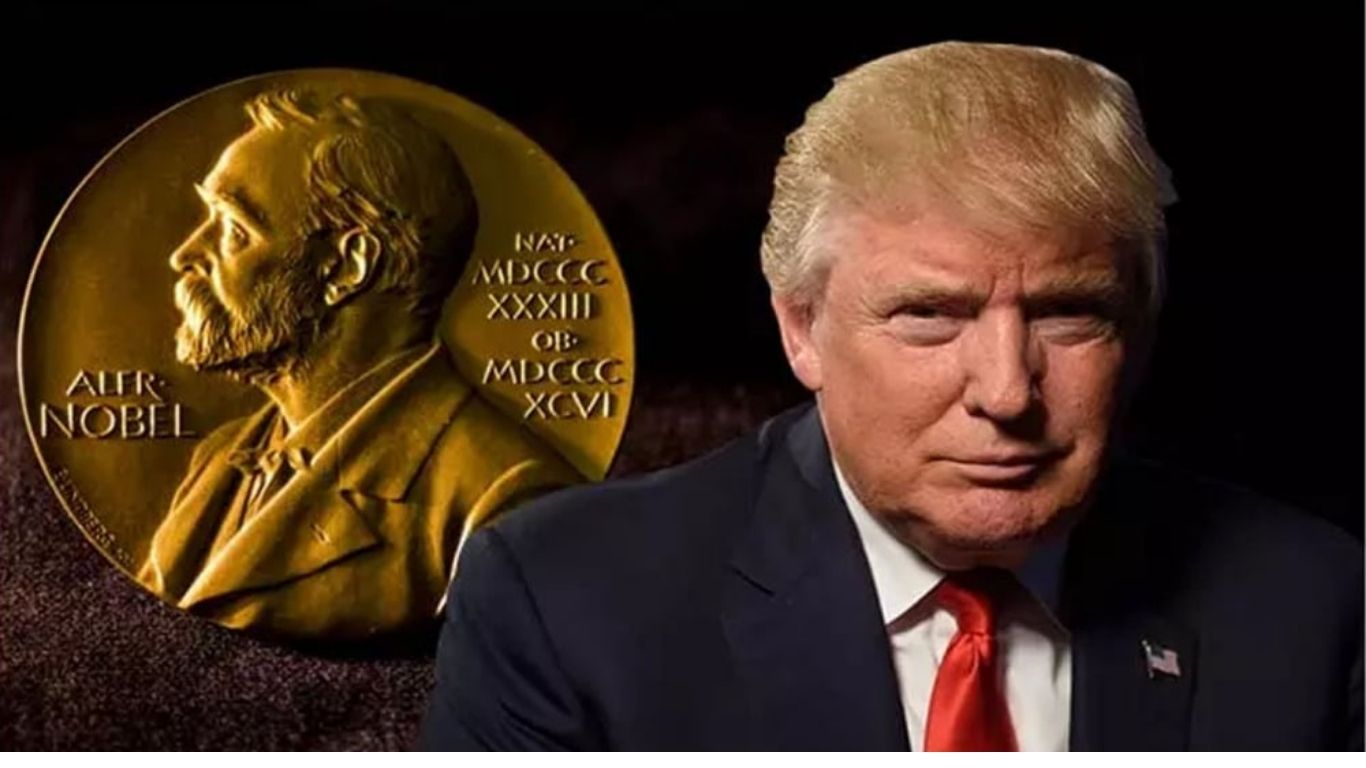
A recent episode of CNN’s Table for Five ignited a heated discussion following remarks by Donald Trump Jr., who suggested that former President Barack Obama’s Nobel Peace Prize was awarded due to “affirmative action,” rather than merit implying that his father, former President Donald Trump, was unfairly overlooked for the honor.
The Claim and Its Context
During the June 28, 2025, broadcast, the panel addressed ongoing debates about the Nobel Peace Prize’s political implications. Donald Trump Jr. had previously posted on X (formerly Twitter) that “affirmative action is when Barack Obama gets the Nobel Peace Prize instead of Donald Trump,” a statement that drew widespread attention and criticism. The discussion on Table for Five revisited this claim, with panelists debating its accuracy and underlying motives.
The debate has emerged among political analysts and commentators following provocative remarks from Donald Trump Jr. about Barack Obama’s Nobel Peace Prize. The discussion, which recently unfolded on a prominent current affairs roundtable, centered on whether Obama’s prestigious honor was the result of genuine achievement or influenced by broader societal factors—specifically, the notion of affirmative action as suggested by Trump Jr.
Trump Jr.’s Provocative Comments Spark National Conversation
Donald Trump Jr. made headlines when he asserted that Barack Obama’s Nobel Peace Prize was awarded due to “affirmative action” rather than merit, implying that his father, former President Donald Trump, was unfairly overlooked for the honor. The comment, posted on social media and later discussed on a widely viewed political panel, ignited a firestorm of reactions from both supporters and critics.
Obama’s Nobel Prize: The Official Rationale and Global Context
Barack Obama was awarded the Nobel Peace Prize in 2009, just months into his presidency. The Norwegian Nobel Committee cited his “extraordinary efforts to strengthen international diplomacy and cooperation between peoples” as the primary reason for the honor. In particular, the committee highlighted Obama’s initiatives in nuclear non-proliferation and his outreach to the Muslim world as groundbreaking steps toward global peace and understanding.
In his acceptance speech, Obama expressed gratitude but also acknowledged the weight of the prize, emphasizing that it was not just a personal achievement but a recognition of the aspirations of people around the world for a more peaceful future.
Trump’s Aspirations and Allegations of Political Bias
Donald Trump has frequently expressed his desire to be recognized with a Nobel Peace Prize, pointing to his administration’s foreign policy achievements, such as brokering agreements between Israel and Iran. However, Trump and his supporters have consistently argued that the Nobel Committee is biased against conservative leaders, citing the lack of recognition for his efforts as evidence of this alleged prejudice.
Roundtable Panelists Weigh In: Merit, Motive, and Political Discourse
The recent roundtable discussion featured a diverse group of political analysts and commentators, including Scott Jennings, Cari Champion, Mike Leon, and Harry Enten. Each panelist brought a unique perspective to the table, resulting in a lively and nuanced debate about the intersection of politics, merit, and international recognition.
Scott Jennings, a veteran political strategist, argued that while there is always a political dimension to international awards, Obama’s early diplomatic efforts were significant and worthy of recognition. He cautioned against dismissing the Nobel Prize as a purely partisan gesture.
Cari Champion, a respected journalist, emphasized the importance of evaluating policy achievements on their own merits. She noted that Obama’s outreach and diplomatic initiatives represented a clear break from previous administrations and set a new tone for American foreign policy.
Mike Leon, a political commentator, questioned whether the Nobel Committee’s decision was influenced by broader cultural and societal trends, including the desire to recognize diversity and progress. However, he also acknowledged that Obama’s specific policy actions provided a legitimate basis for the award.
Harry Enten, a data analyst, brought a more analytical perspective, pointing out that Nobel Peace Prizes have historically been awarded for both concrete achievements and aspirational efforts. He suggested that Obama’s win fit within the broader pattern of the committee’s selections.
Key Takeaways from the Debate
- Donald Trump Jr.’s suggestion that Obama’s Nobel Peace Prize was the result of affirmative action was widely criticized as dismissive and misleading.
- Obama was recognized for his early efforts in international diplomacy and nuclear non-proliferation, as explicitly stated by the Nobel Committee.
- Trump and his supporters believe he has been unfairly overlooked for the Nobel Prize, citing political bias as the primary reason.
- The panelists agreed that while politics often play a role in international awards, Obama’s policy achievements provided a legitimate basis for his recognition.
The Broader Implications: Merit, Recognition, and the Role of Politics
The debate over Obama’s Nobel Peace Prize and Trump Jr.’s comments highlights the ongoing tension between merit and motive in the realm of international recognition. While some view the Nobel Prize as a symbol of genuine achievement, others see it as a reflection of broader political and cultural trends.
Ultimately, the discussion serves as a reminder of the importance of evaluating policy achievements on their own merits, while also acknowledging the complex interplay of politics, perception, and recognition in the global arena.
Conclusion
As the conversation continues, it is clear that the Nobel Peace Prize remains a powerful symbol—one that is both celebrated and contested. The recent roundtable discussion, featuring insights from Scott Jennings, Cari Champion, Mike Leon, and Harry Enten, offered a balanced and thoughtful exploration of the issues at hand. Whether motivated by merit, politics, or a combination of both, the debate over Obama’s Nobel Prize underscores the enduring significance of international recognition in shaping public discourse and legacy.




