As NATO enters the new year, it faces a range of pressing issues. The alliance must figure out how to reinforce its defenses against Russia, continue supporting Ukraine, and manage an unpredictable U.S. President, Donald Trump. NATO Secretary-General Mark Rutte outlined the alliance’s key priorities for 2025 in a serious speech, emphasizing how close the threat of war is to NATO’s borders.
“From Brussels, it takes just one day to drive to Ukraine,” Rutte said during a December speech at the Carnegie Europe think tank. “That’s how near the Russian bombs are falling. Iranian drones are flying just as close, and not much farther away, North Korean troops are fighting.” Rutte urged public support for higher defense spending to not only protect European security but also help Ukraine and deter further Russian aggression.
Can Defense Spending Win Over Trump?
Raising defense budgets among NATO’s European members could also help address the challenge of dealing with President Trump’s unpredictability. While all recent U.S. presidents have urged European nations to boost defense funding, Trump is the only one who has threatened to withdraw support from alliance members who fail to meet their commitments.
In 2024, many European nations hit the goal of spending 2% of their GDP on defense to appease Trump. As he prepares for a second term, there is talk of increasing this target to 3% or even 4%.
“We need more time to consult with allies about the exact new level, but it will be much higher than 2%,” Rutte said. “Frankly, if you only spend more without spending wisely, you might need to go up to 4%.” Experts believe Trump will likely push for this higher target and suggest Europe should offer deals he finds acceptable.
“Europeans must present an attractive deal to the U.S.,” said Gesine Weber, a fellow at the German Marshall Fund. “A model where the U.S. acts only as a last-resort defender, while Europe takes charge of its conventional defense, could meet this need.”
European Efforts and Their Limitations
NATO’s European members agree they need to take more responsibility for their defense. In 2024, NATO held its largest military exercise since the Cold War called Steadfast Defender. The alliance also updated its hybrid warfare strategy in response to suspected Russian sabotage.
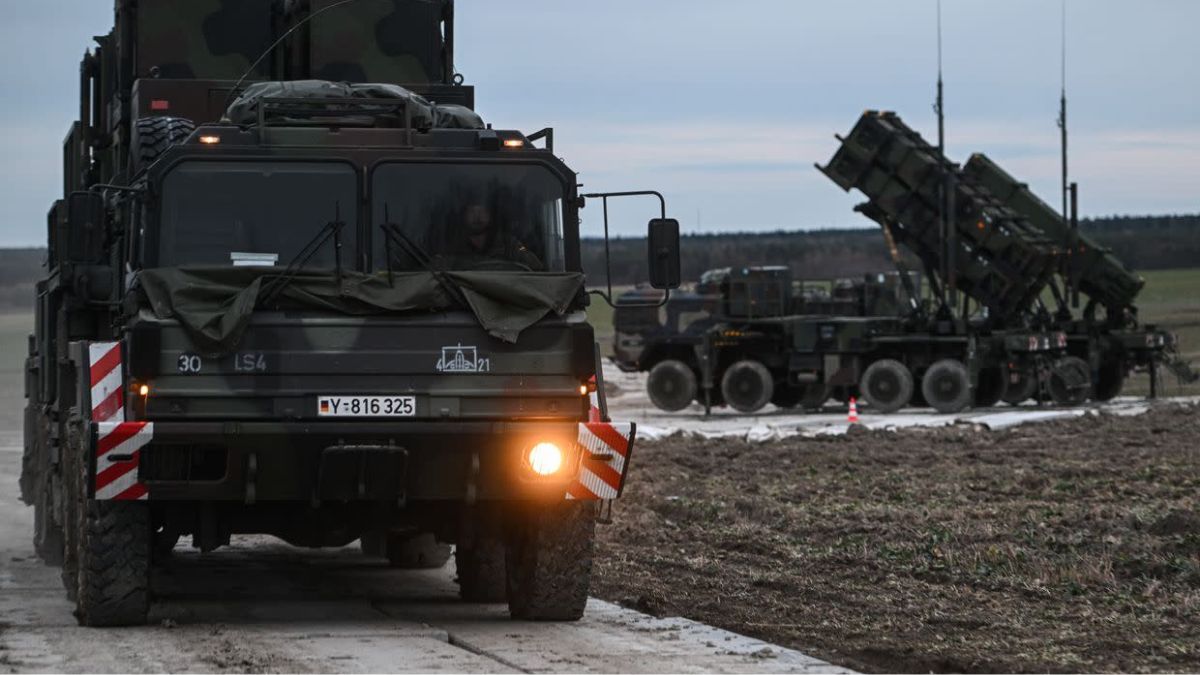
Countries have been ramping up troop deployments near NATO’s borders. For example, Germany plans to send 5000 troops to Lithuania by 2027. However, Europe lags behind in key areas like intelligence, surveillance, and heavy transport equipment. For instance, Europe lacks enough satellites and transport helicopters to meet defense needs without relying on the U.S.
Experts estimate it could take Europe 10 to 15 years to fill these gaps. “Europeans have few satellites, and addressing this shortage will take over a decade,” said Rafael Loss, a defense expert at the European Council on Foreign Relations. Funding such projects is the first hurdle, he added.
NATO’s Global Role
NATO’s European members argue that the alliance is essential not just for Atlantic security but also for strengthening U.S. efforts against China in the Indo-Pacific. To counter growing threats from China and Russia, the alliance has deepened ties with Asian partners like Australia, New Zealand, South Korea, and Japan. Cooperation with these countries is expected to expand in 2025, especially in intelligence sharing.
“NATO’s European members are telling Trump’s China-focused advisors that leaving NATO would weaken their stance against China,” said Loss.
Trump’s Approach to Ukraine
As Russia’s invasion of Ukraine nears its third anniversary, European leaders have restated their commitment to Kyiv. However, they acknowledge that if the U.S. cuts its support, Europe won’t be able to cover the gap. Domestic budget constraints have made wealthier European nations hesitant to make long-term promises to Ukraine without knowing the U.S.’s stance.
Ukraine’s NATO membership is expected to be a contentious issue. While most European members back Ukraine’s entry into NATO, Germany is more cautious, and the Trump administration could block expansion.
“President Zelenskyy has made it clear that Ukraine belongs in NATO,” said Kristine Berzina, managing director of GMF Geostrategy North. However, incoming U.S. Vice President JD Vance has expressed doubts about this path.
In December, French President Emmanuel Macron hosted Trump and Zelenskyy at the reopening of Notre Dame Cathedral to influence Trump’s policy on Ukraine. But Trump’s stance remains uncertain. “That’s the big unknown,” said Loss.