

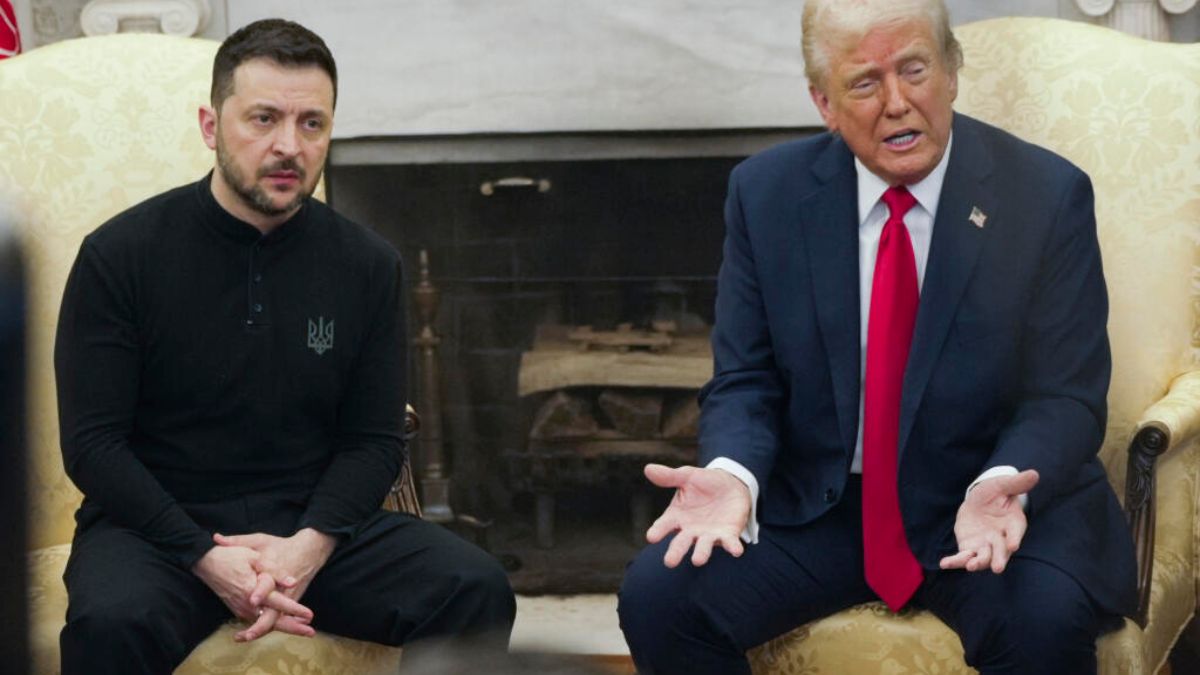
A High-Stakes White House Showdown
On August 18, 2025, Ukrainian President Volodymyr Zelensky arrived in Washington, DC, flanked by a formidable coalition of European leaders, for a pivotal meeting with U.S. President Donald Trump. The stakes couldn’t be higher: Trump, fresh off a summit with Russian President Vladimir Putin in Alaska, has publicly urged Zelensky to cede Crimea—illegally annexed by Russia in 2014—and abandon Ukraine’s NATO aspirations to end the war, now in its third year. Posting on Truth Social, Trump declared that Zelensky could end the conflict “almost immediately” by accepting these terms, framing Crimea as irretrievable and NATO membership as non-negotiable. This stance, echoing Moscow’s demands, sets the stage for tense negotiations, as Zelensky insists Ukraine’s constitution bars territorial concessions, a position rooted in the nation’s post-Soviet history.
The historical backdrop of the Russia-Ukraine conflict amplifies the gravity of this moment. Russia’s 2014 annexation of Crimea, followed by its 2022 invasion, has left over a million dead or wounded, making this Europe’s deadliest conflict in eight decades. Trump’s pivot from demanding a ceasefire to pursuing a permanent peace deal, as noted by U.S. envoy Steve Witkoff, reflects progress from his Alaska talks, where Putin reportedly agreed to “robust security guarantees” for Ukraine, including NATO-like protections akin to Article 5. However, Zelensky’s call for stronger guarantees than the failed 1994 Budapest Memorandum, which left Ukraine vulnerable, underscores Kyiv’s skepticism, as explored in analyses of Ukraine’s security dilemmas. The unprecedented gathering of leaders—British Prime Minister Keir Starmer, French President Emmanuel Macron, German Chancellor Friedrich Merz, and others—signals a united front to counterbalance Trump’s pressure, a rare diplomatic spectacle in modern wartime negotiations.
Trump’s remarks, coupled with his softened stance on Russian sanctions, have sparked alarm among European allies, who fear he may push Zelensky toward a deal favoring Moscow. Posts on X highlight Zelensky’s arrival and the diplomatic frenzy, with fans noting the “sky-high stakes.” The February 2025 Oval Office clash, where Trump accused Zelensky of risking “World War Three,” looms large, but recent efforts—Ukraine’s minerals deal with the U.S. and a Vatican meeting—have mended ties. Zelensky’s insistence on a trilateral summit with Trump and Putin reflects his determination to keep Kyiv central to talks, a strategy rooted in Ukraine’s diplomatic resilience.
The Diplomatic and Strategic Chessboard
Trump’s push for Ukraine to relinquish Crimea and forgo NATO aligns with Putin’s long-standing demands, particularly over the Donbas region, where Russia seeks full control. Witkoff’s revelation that Putin conceded to U.S.-led security guarantees, potentially mirroring NATO’s collective defense, offers a workaround, but Zelensky’s constitutional red line—barring territorial concessions—complicates negotiations. The geopolitical landscape shows Russia occupying nearly 20% of Ukraine, a reality Trump’s “land swap” proposals aim to freeze, per European sources. Yet, Zelensky’s call for “lasting peace,” not a repeat of 2014’s fragile agreements, reflects public sentiment: a 2022 poll by Ukraine’s Rating group showed 80% of Ukrainians oppose ceding territory.
The economic and social toll of the war adds urgency. Ukraine’s infrastructure, battered by Russian advances, faces reconstruction costs exceeding $400 billion, per World Bank estimates, while sanctions on Russia—urged by Europe—remain critical leverage. The presence of NATO’s Mark Rutte and European Commission President Ursula von der Leyen signals a push for a “reassurance force” to secure peace, a plan Macron and Starmer endorsed. However, Trump’s reluctance to escalate sanctions, despite his earlier threats, risks undermining this leverage. Socially, Ukraine’s resolve—bolstered by Zelensky’s defiance of past concessions—clashes with Trump’s deal-making rhetoric, a tension fans on X call a “diplomatic tightrope.”
The historical parallel of an undivided India, unifying diverse factions for strength, contrasts with Ukraine’s precarious position, reliant on fragmented Western support. Trump’s framing of Crimea as “lost” under Obama ignores Ukraine’s legal claim, upheld internationally, and risks alienating Kyiv’s allies. The Alaska summit’s “land swap” discussions, including Russia’s partial withdrawal from Kherson and Zaporizhzhia, offer a glimmer of compromise, but Putin’s insistence on Donbas control remains a sticking point. Secretary of State Marco Rubio’s dismissal of a “bullying” narrative, per CBS, suggests U.S. confidence, yet his caution that a deal is “a long ways off” tempers optimism.
A Defining Moment for Ukraine’s Future
Today’s talks could reshape Ukraine’s trajectory. Zelensky’s coalition, bolstered by Europe’s heavyweights, aims to counter Trump’s pressure and secure ironclad guarantees, potentially reshaping NATO’s role without formal membership. The strategic stakes are immense: a deal conceding Crimea could embolden Russia, while robust guarantees might deter further aggression. Ukraine’s minerals agreement and willingness to pay for U.S. weapons signal economic concessions to appease Trump, but domestic opposition to territorial loss—rooted in constitutional law—limits Zelensky’s flexibility. The virtual “Coalition of the Willing” summit on August 17, attended by von der Leyen and others, underscores Europe’s resolve to anchor Ukraine’s defense.
As Russian forces advance, occupying a fifth of Ukraine, the urgency for a resolution grows. The human cost—over a million casualties—demands a lasting peace, not a temporary truce. Zelensky’s push for a trilateral summit ensures Kyiv’s voice, but Trump’s deal-making lens, shaped by his “great progress” with Putin, risks sidelining Ukraine’s red lines. The historical unity of an undivided India offers a lesson in collective strength, but Ukraine’s path depends on navigating Trump’s demands and Europe’s support. As the White House hosts this unprecedented summit, the outcome will test whether diplomacy can halt Europe’s deadliest war or deepen its divisions, with Zelensky’s resolve and Trump’s rhetoric at the heart of the storm.




