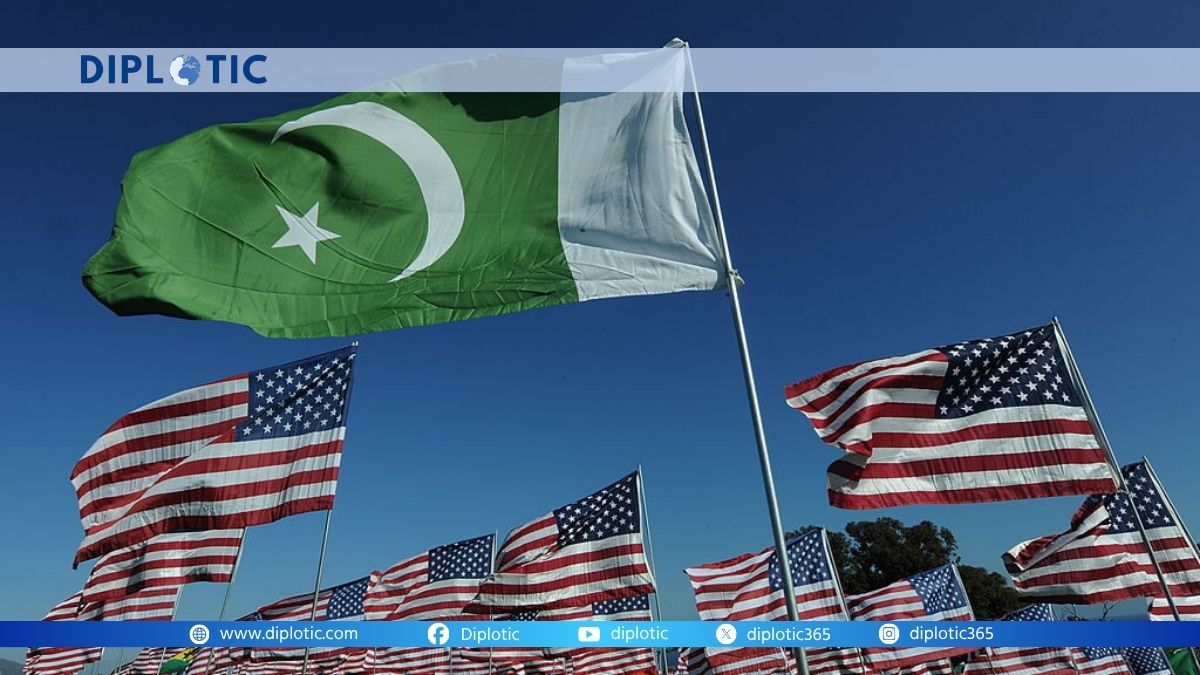
US-Pakistan relations in 2025 have undergone a remarkable transformation, shifting from years of mistrust and episodic turmoil to a renewed era of strategic cooperation. This recalibration, catalyzed by the change in US administration under President Donald Trump’s second term, demonstrates a pragmatic, multi-dimensional realignment shaped by regional security imperatives, counterterrorism efforts, and economic opportunities. Pakistan’s diplomatic agility and America’s renewed interest in South Asia’s stability have converged to forge a robust partnership with far-reaching implications for South Asia and beyond.
From Fragility to Dynamic Engagement
The relationship between Washington and Islamabad has long been characterized by fluctuations, with cooperation driven largely by security concerns in Afghanistan and counterterrorism efforts, often punctuated by deep skepticism on both sides. The discovery of Osama bin Laden in Abbottabad in 2011 and the US withdrawal from Afghanistan in 2021 strained trust considerably. However, 2025 has witnessed a strategic reawakening.
A key turning point was the May 2025 India-Pakistan border standoff, which saw the United States play a pivotal mediating role in brokering a ceasefire. This diplomacy not only prevented a broader conflict but also provided an opening for Pakistan to engage more constructively with the US. Pakistan publicly praised Washington’s efforts, signaling a willingness to move beyond transactional security dialogues towards a comprehensive partnership encompassing security, economics, and regional diplomacy.
Security Cooperation: Counterterrorism as the Cornerstone
Counterterrorism remains the linchpin of US-Pakistan cooperation. Pakistan’s success in joint operations, including the capture of a high-value ISIS-Khorasan militant associated with the 2021 Kabul airport attack, underscored its evolving role from a strained security partner to a capable regional ally. The US reciprocated with intensified intelligence sharing, security assistance, and a renewed focus on joint action plans targeting terrorist groups such as the Tehrik-e-Taliban Pakistan (TTP), Balochistan Liberation Army (BLA), and Islamic State Khorasan Province (ISKP).
The designation of the BLA as a foreign terrorist organization by the US in August 2025 further cemented Washington’s commitment to supporting Pakistan’s security apparatus. Dialogues like the Counterterrorism Dialogue co-chaired in August 2025 by Pakistan’s UN Special Secretary and the US Acting Coordinator for Counterterrorism symbolize this pragmatic angle, enhancing collaborative frameworks necessary for combating evolving militant threats.
Economic Diplomacy: Critical Minerals and Investment
Beyond security, economic diplomacy has emerged as a pivotal pillar. In 2025, Pakistan leveraged its abundant reserves of critical minerals and rare earth elements, minerals vital for modern technology and defense industries, capturing US interest. A landmark $500 million agreement signed with Missouri-based US Strategic Metals marks a new chapter in bilateral trade and investment, coinciding with President Trump’s administration prioritizing resource security for strategic industries.
Such mineral diplomacy dovetails with broader US interests to diversify supply chains and reduce dependence on China, positioning Pakistan as an emerging economic partner in South Asia. The investment announcement, alongside discussions on Pakistan’s substantial oil reserves, reflects Islamabad’s strategic pivot to capitalize on economic assets while deepening ties with Washington beyond traditional security paradigms.
Regional Diplomacy: Balancing Great Power Interests
The revived US-Pakistan partnership also represents a recalibrated geopolitical stance within South Asia’s complex landscape. Following the 2025 standoff and subsequent diplomatic overtures, Pakistan has adeptly positioned itself as a regional balancer, navigating between Washington and Beijing’s interests.
The improved US-Pakistan relations come amid a backdrop of declining US-India relations under Trump’s administration, partly fueled by Washington’s appreciation of Pakistan’s counterterrorism efforts and Islamabad’s growing diplomatic assertiveness. This dynamic complicates traditional alliances while offering Pakistan increased leverage in regional policymaking circles, offering counterweights to Indian regional dominance.
Military and Strategic Engagements
Military ties have been revitalized with senior Pakistani military leadership engaging closely with US counterparts, including the Pakistan Army Chief’s visits to Washington and meetings with US Central Command (CENTCOM) leaders. Such high-level interactions underline a commitment to strategic alignment and operational coordination.
The US now views Pakistan as essential to maintaining stability in South Asia, including curbing cross-border militancy and managing spillovers from Afghanistan. The re-engagement signals a shift from past transactional dealings to a partnership rooted in shared security objectives and mutual strategic interests, promoting peace and counterterrorism in a turbulent region.
Challenges and the Road Ahead
Despite the positive momentum, US-Pakistan relations continue to face challenges. Washington remains cautious about the durability of Islamabad’s commitments, particularly regarding militant groups embedded within Pakistan’s borders. Additionally, domestic political volatility in Pakistan and competing pressures from China complicate Islamabad’s diplomatic calculus.
Both nations must navigate these complexities with balanced diplomacy, ensuring that gains in cooperation lead to long-term stability and regional peace. Economic diversification, transparent governance, and continued counterterrorism collaboration will be critical to sustaining this strategic partnership.
Conclusion: A Strategic Rebirth
US-Pakistan relations in 2025 reflect a seasoned yet optimistic realignment shaped by pragmatism, shared security priorities, and emerging economic opportunities. This new chapter marks a departure from decades of mistrust and transactional diplomacy, forging a multi-layered partnership with impactful regional and global implications.
The resurgence of cooperation not only promises enhanced security and economic growth for Pakistan and the US but also signals a strategic pivot poised to influence the broader South Asian geopolitical fabric for years to come.