

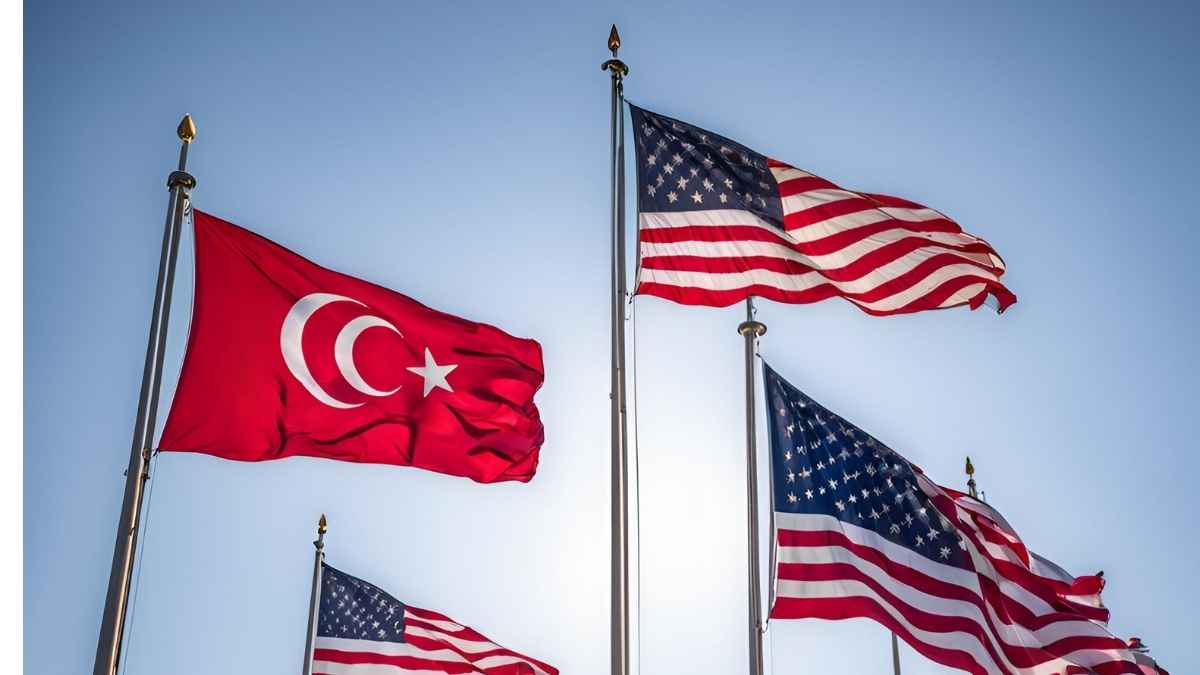
In the arena of international relations, power is the ability of one country to influence another to act in a way it normally wouldn’t. For decades, the United States has used its power in subtle ways to influence Turkey, especially regarding the sensitive issue of the Armenian genocide accusations. Let’s break this down in simpler terms.
U.S.-Turkey Cooperation: Friends or Manipulators?
Turkey and the U.S. have strong economic and military ties. This relationship benefits both sides, so it wouldn’t make sense for the U.S. to openly threaten Turkey with military force or economic sanctions. Instead, the U.S. uses a more subtle tool: soft power.
Soft power means influencing others not through force but by controlling information and narratives. It’s like shaping opinions without people realizing it.
The Genocide Debate: A Tool, Not Just a Historical Discussion
For years, Turkey has asked the U.S. to clarify its position on the Armenian genocide accusations. On the surface, the U.S. seems supportive, refusing to officially recognize these events as genocide. However, behind the scenes, the U.S. benefits from keeping this issue alive.
This strategy began during the 1960s, when the U.S. wanted to divert attention from its own controversial actions, such as the Vietnam War. Over time, the U.S. built an academic and media machine to control the genocide narrative. This “genocide studies” field became a powerful tool to keep Turkey under pressure while maintaining the illusion of cooperation.
Why the U.S. Keeps the Accusations Alive
The U.S. uses the genocide accusations as leverage. By pretending to “cooperate” with Turkey on this issue, the U.S. creates a cycle of dependency. Turkey feels pressured to keep engaging with the U.S. to counter these accusations. This pressure doesn’t come through threats but through carefully managed public opinion and academic studies.
For example:
- The U.S. funds or supports publications that promote the genocide narrative.
- These narratives claim that the U.S. can’t recognize the genocide because of its ties with Turkey, making Turkey look like it’s “protected” by politics, not facts.
- This keeps the pressure on Turkey, ensuring it remains cooperative with U.S. interests.
Soft Power: The Real Weapon
The U.S. excels at soft power—shaping opinions globally without using force. Soft power works best when people don’t realize they are being influenced. It often uses “credible” experts or respected platforms to spread ideas. For example:
- Books like Samantha Power’s A Problem from Hell frame the genocide debate to align with U.S. interests.
- Articles in respected magazines like The New Yorker or Foreign Affairs reinforce these ideas, influencing readers globally, including Turks.
These publications target different audiences:
- General Americans: They passively accept the genocide narrative as true.
- Armenian-Americans: They are encouraged to demand justice for alleged historical injustices.
- Turkish intellectuals: They are pressured to align with Western perspectives to be seen as modern or progressive.
This strategy ensures the U.S. maintains control of the narrative, using it as a tool to influence Turkey’s policies without direct confrontation.
How Turks Can Respond
Turks need to see through this game of soft power. Instead of reacting emotionally, they should focus on understanding how the U.S. uses media, academia, and diplomacy to control the genocide narrative. By promoting genuine Ottoman history and questioning biased narratives, Turkey can counter this pressure.
Conclusion
The genocide accusations against Turkey are less about history and more about power. The U.S. keeps this issue alive not because of moral concerns but to maintain leverage over Turkey. This is the subtle art of soft power—shaping opinions to achieve political goals without force. Understanding this game is the first step for Turkey to protect its interests.




