Facebook, Instagram, Google, and YouTube are restricting political ads to tackle misinformation that could undermine trust in election results or cause unrest.
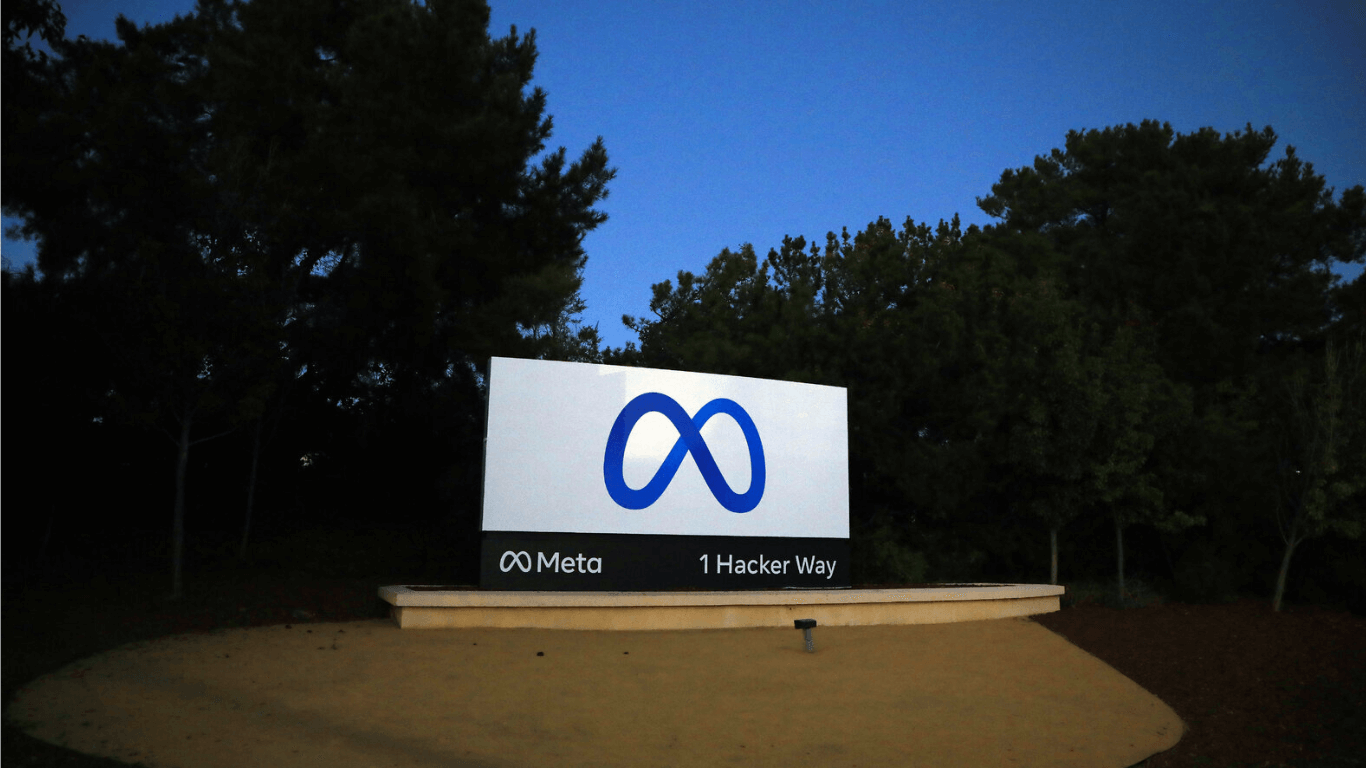
Last week, Meta started blocking new ads about U.S. politics, elections, or social issues on Facebook and Instagram. Initially set to end Tuesday, the ban was extended until later this week. Similarly, Google plans a temporary pause on U.S. election-related ads starting after polls close on Tuesday. TikTok has banned political ads since 2019.
In contrast, X (formerly Twitter) lifted its political ad ban last year under Elon Musk’s leadership and has not announced any election-related pause.
These ad bans aim to stop attempts to influence public opinion or prematurely claim victory during the potentially lengthy vote-counting process. However, experts argue that prior actions by social media platforms, such as reducing safety teams, might undermine these efforts.
Election officials have already been working to counter viral misinformation, including baseless claims of vote manipulation and fraud. Federal authorities have also warned of potential violence from domestic extremists with election-related grievances.
Former President Donald Trump and his supporters continue to falsely claim election fraud. Additionally, advanced AI tools have raised fears about the spread of fake media further fueling false narratives.
Despite these ad restrictions, experts believe they might have little effect, as misinformation is already deeply embedded online. Platforms like X, under Musk, have been criticized for spreading misleading election claims. X, once seen as a leader in fighting misinformation, now hosts significant false narratives.
The “Backslide” in Preparedness
Since the last presidential election, platforms have scaled back their efforts to ensure election integrity. In the past, companies strengthened trust and safety measures by removing false claims and suspending accounts. But many have since reversed these policies, allowing false election claims to remain.
Experts warn that these changes, known as the “backslide,” have weakened platforms’ ability to combat false information. For instance, conspiracy theories flourished online after an attempted assassination of Trump this year, along with misinformation about natural disaster responses.
On X, Musk’s posts and those supporting Trump have generated billions of views, despite containing false claims about immigration, voting, and other topics. Analysts say that even with an ad pause, platforms’ algorithms still promote divisive and misleading content.
Social Media Responses
Some platforms highlight steps beyond ad bans. Facebook, Instagram, Google, YouTube, X, and TikTok say they promote reliable election information and combat foreign influence campaigns.
For example:
1.YouTube: Prohibits content misleading voters, inciting violence, or spreading harmful conspiracy theories. It also flags misleading videos with election updates from credible sources
2 TikTok: Blocks false claims about elections and works with fact-checkers to label and limit the spread of unverifiable content.
3. Meta: Reduces the visibility of flagged false content and removes posts that threaten voters or election officials.
However, enforcement remains inconsistent. X’s policies allow controversial or inaccurate political content and have faced criticism for Musk’s inflammatory posts, such as sharing an AI-generated video misrepresenting Vice President Kamala Harris.
While platforms claim to prioritize election integrity, experts warn that existing misinformation and reduced safety measures may limit the effectiveness of these actions.