

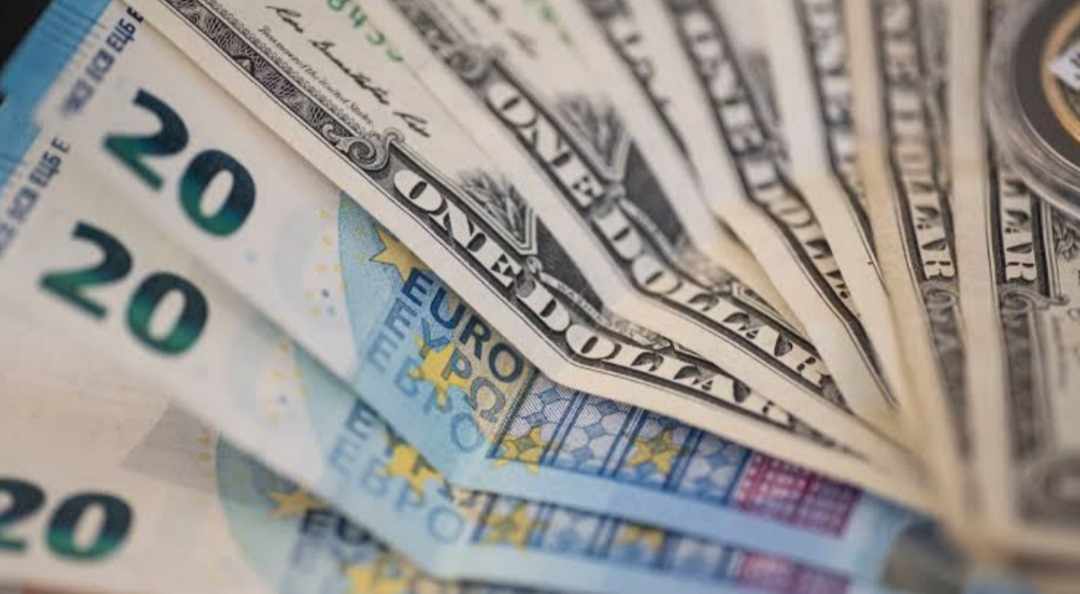
The US dollar—long the heavyweight champion of global finance—has started losing some of its sparkle. Over time, the dollar has been more than money; it has been a symbol of power, control, and sometimes outright leverage. Now, cracks in its dominance are becoming hard to ignore.
A Waning Giant
Let’s talk numbers first. In 1999, the US dollar made up 71% of global foreign exchange reserves. Fast forward to 2023, and it’s down to 58%. While still dominant, this decline signals a quiet shift. Why? Countries worldwide are questioning why their economies should tether themselves to a single currency—especially when that currency is weaponized in ways that can destabilize their financial systems.
“When a single currency becomes a chokehold, alternatives aren’t just desirable; they’re inevitable.”
That’s why, nations like China, Russia, and even economic blocs like BRICS are looking for ways out of the dollar’s shadow. And they’re not just talking about it—they’re doing it.
Enter the Challengers
China’s yuan is one of the strongest contenders. Though it currently only accounts for a modest 3% of global reserves, the yuan has been quietly making its way into trade agreements across the globe. Brazil, for instance, started allowing yuan-based transactions through its central bank in 2023. Argentina soon followed suit.
Russia? It’s gone further. Facing US-led sanctions, Russia shifted 13% of its reserves to the yuan by 2024—a staggering leap from just 0.3% in 2019. And the deal between Moscow and Beijing to trade directly in Rubles and Yuan instead of the dollar wasn’t just economic pragmatism; it was a deliberate statement: We can work around the greenback.
ASEAN Joins the Movement
Closer to China, Southeast Asia is getting in on the action. The Association of Southeast Asian Nations (ASEAN) has implemented a QR code payment system that allows member countries to trade using local currencies. The benefits? Lower transaction costs and reduced reliance on a currency that often ties them to Washington’s policy whims.
This shift doesn’t just save money—it sends a message. It’s about creating a buffer against sanctions and showing that trade can flourish without needing Uncle Sam’s approval.
Why This Matters Beyond Dollars and Cents
This is about more than economics—it’s about geopolitics. The US dollar has long given America a certain veto power over global affairs. By controlling the world’s financial highways, the US can sanction, isolate, or even collapse economies that step out of line. Iran, North Korea, and Venezuela know this all too well.
For countries like Russia and China, reducing dollar dependency isn’t just about financial convenience; it’s a geopolitical necessity. It’s about reclaiming autonomy and asserting themselves on the global stage without worrying about Washington turning off the economic tap.
Saudi Arabia’s flirtation with non-dollar oil sales is perhaps the most telling sign of this shift. Historically bound to the US through the petrodollar system, Riyadh’s recent discussions with China to trade oil in yuan hint at a dramatic shift.
Old Habits Die Hard
Still, let’s not bury the dollar just yet. It remains the cornerstone of global finance for a reason: trust. The greenback is backed by the world’s largest economy and the deepest capital markets. Its competitors—be it the yuan or regional currencies—don’t yet have that level of global faith.
As an economist put it: “Currencies aren’t just numbers on a screen; they’re about trust. And trust takes decades to build, not just a few good policies.”
Fragility of Alternatives
Not all currencies are created equal. While the idea of de-dollarization sounds appealing, the alternatives often lack the key strengths of the US dollar. Stability, liquidity, and trust aren’t just buzzwords—they’re the pillars of global financial systems.
As Joyce Chang, Chair of Global Research at JPMorgan, pointed out, “The dollar’s role in global finance is supported by deep and liquid capital markets, rule of law, and predictable legal systems.” These attributes aren’t easy to replicate. No other currency offers the same level of confidence to global markets, which depend on the ability to trade in vast amounts without the fear of sudden devaluation or collapse.
Take, for example, Brazil and Argentina—two countries championing regional trade alternatives. Both have struggled with currency instability. In 2023, the Argentine peso lost over 50% of its value against the dollar, a sobering reminder of how risky currency volatility can be. For nations reliant on such currencies, replacing the dollar could mean trading one dependency for another, perhaps more precarious, one.
Rebuilding Financial Infrastructure
The dollar isn’t just a currency; it’s the backbone of a sprawling global financial system. Dollar-denominated assets—like US Treasury bonds—dominate portfolios worldwide. Banks, trade systems, and financial institutions have been built around the greenback for decades.
Replacing this entrenched system isn’t like swapping out an old phone—it’s closer to rebuilding a city’s entire infrastructure. Countries aiming for de-dollarization need to develop alternative systems that can handle massive transactions with the same speed and reliability. This requires not just time and effort but immense political and financial cooperation, which has historically been a rare commodity.
The Risks of Currency Volatility
One of the biggest hurdles is the inherent instability of many alternative currencies. While the US dollar has had its fair share of fluctuations, it has remained relatively steady compared to other options. For countries with histories of financial crises—think Argentina or Turkey—this stability isn’t just convenient; it’s vital.
The Argentine peso’s dramatic crash in 2023 serves as a stark example. Would global markets trust a system anchored in such currencies? The risks are high, and the stakes are even higher. Until alternative currencies can offer comparable reliability, many nations may find it safer to stick with the dollar, however begrudgingly.
A Multipolar Future?
Though the dollar’s dominance seems unshakable for now, the rising interest in alternatives signals a shift in global dynamics. Countries like Russia and China aren’t just dabbling—they’re actively reshaping their financial strategies. The BRICS bloc and ASEAN nations have also started experimenting with non-dollar systems, signaling a potential shift toward a more diverse global financial order.
But here’s the thing: de-dollarization isn’t just about replacing the dollar. It’s about creating a system that’s more balanced, inclusive, and less susceptible to the influence of a single nation. Whether this means a multipolar world where the euro, yuan, and other regional currencies share the stage—or something entirely different—is still up in the air.
One thing’s clear: while the challenges are steep, the winds of change are unmistakable. The world may not be ready to bid farewell to the dollar just yet, but the conversations—and the experiments—are well underway.




