

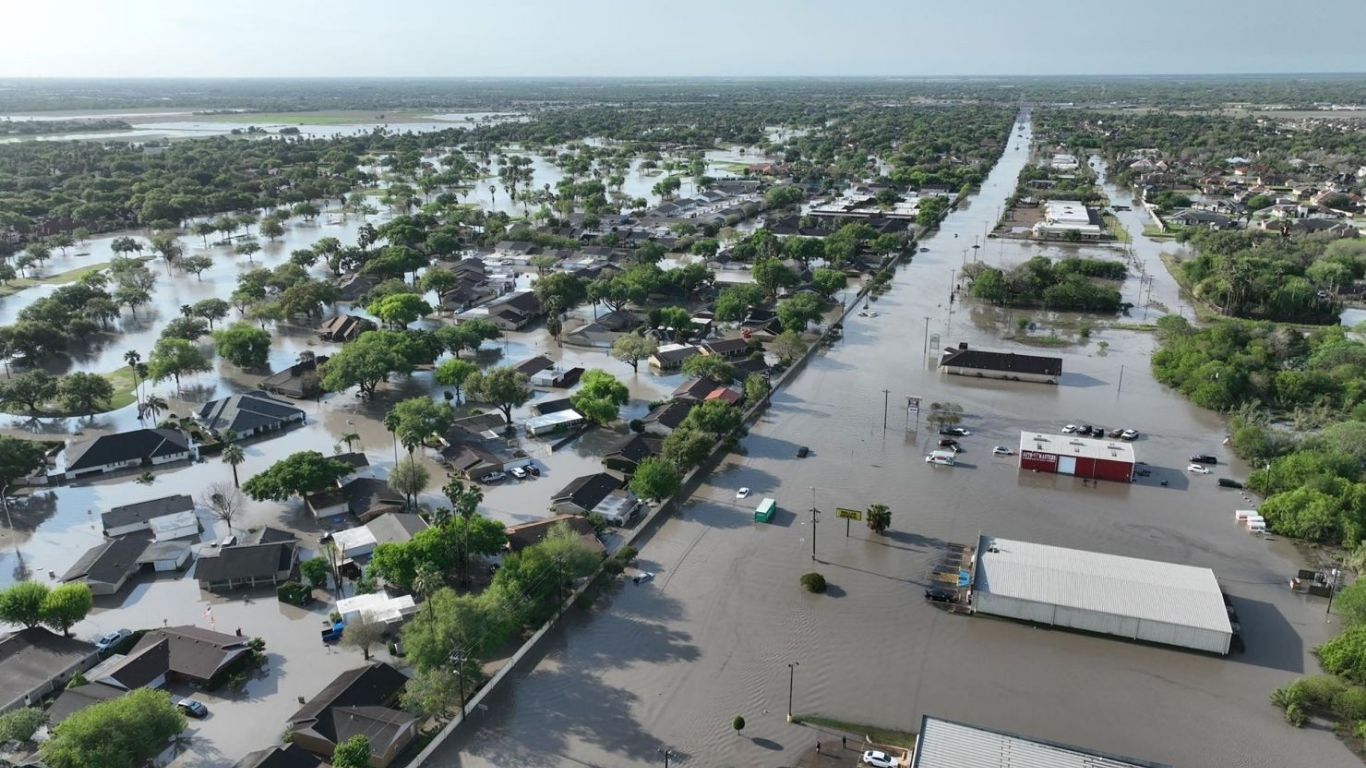
Texas lawmakers eye California’s wildfire response missteps for urgent disaster preparedness reforms. As Texas recovers from the deadly Hill Country floods and reevaluates its emergency response systems, a critical opportunity emerges learning from California’s past failures. Eight years after the catastrophic Nuns-Tubbs wildfires devastated Northern California, Texas lawmakers are looking westward not for inspiration, but for cautionary tales.
During a recent visit to California by 15 Texas Democratic House members, legislative discussions stretched beyond political strategy and redistricting. The conversation turned to something far more urgent: how to prevent future natural disaster failures that claim lives and catch communities off-guard.
Lessons from the Nuns-Tubbs Wildfires
In October 2017, wildfires tore through Sonoma County, California, burning over 36,000 acres and killing more than 20 people. Emergency managers, including Sam Wallis, now Sonoma County’s Deputy Director of Emergency Management, admit they weren’t prepared.
“We just weren’t ready for a disaster of that magnitude,” Wallis told KXAN. The fire ignited in a remote area and went unnoticed until it was dangerously close to residential zones. A combination of late-night ignition and insufficient early alerts left thousands vulnerable with little time to react.
Wallis described the disaster as a “devastating loss that spurred a lot of change.”
Communication Breakdown: A Life-Threatening Mistake
One of the most damning failures was the county’s overreliance on CodeRED, an opt-in emergency alert system also used by many Texas counties, including Kerrville and Kerr County. Before the 2017 wildfires, only about 5,000 of Sonoma County’s 500,000 residents were signed up to receive emergency alerts.
“We had to learn the hard way,” Wallis explained. “We needed to understand the limitations of the systems we were using, and we needed policies, procedures, and constant drills in place before the disaster struck.”
In the wake of the tragedy, California revamped its emergency communications. Counties were granted access to utility company phone databases, ballooning Sonoma’s alert list from 5,000 to over 600,000 contacts, with alerts delivered in both English and Spanish. The county also created a dedicated alert warning manager to oversee emergency communications Wallis was the first to fill the role.
“Part of Our DNA”: California’s Alert Overhaul
The changes went beyond technology. California now requires emergency officials to “err on the side of protecting the public” in cases of conflicting or incomplete threat information. Evacuation alerts are pre-recorded and tested weekly allowing faster deployment when every second counts.
“It’s just become part of our DNA,” Wallis said of the alert system’s integration into daily operations.
A Wake-Up Call for Texas
Texas lawmakers are taking notice. Senator Paul Bettencourt (R-Houston) and Representative Armando Martinez (D-Weslaco) both members of special disaster response committees, are pushing for a better understanding of what went wrong during the July 4 Hill Country floods that left several dead and entire communities devastated.
Martinez, a firefighter and vice chair of the House Select Committee on Disaster and Flooding, said it’s critical to learn from both California’s wildfires and Texas’s own 2024 Panhandle fires, which also exposed major gaps in alerting and evacuation procedures.
“We want to gather as much information as we can to make sure this doesn’t happen again,” Martinez said during a joint committee hearing this week.
That committee will reconvene on July 31 in Kerrville to hear directly from residents and local leaders who faced the brunt of the disaster.
Toward Smarter Alerts and Emergency Readiness
Both Bettencourt and Martinez are backing a new kind of override alert system one that forces messages through even if users have blocked alerts on their devices. “I don’t care whether it comes from the phone or a siren,” said Bettencourt. “We have to make sure we get people out of harm’s way.”
Wallis strongly agrees. “I hope the people of Texas can learn from this,” he said, “and hopefully learn from our failures before they experience the same.”
From Failure to Resilience
California’s tragic wildfire history offers a stark blueprint for change. With climate change intensifying extreme weather across the U.S., the cost of inaction is far too high. Texas stands at a crossroads, where the adoption of smarter alert systems, multilingual communication, and proactive disaster drills could mean the difference between life and death.
As legislators continue to analyze and adapt, the ultimate goal is clear: prevent another disaster from becoming a deadly lesson.




