

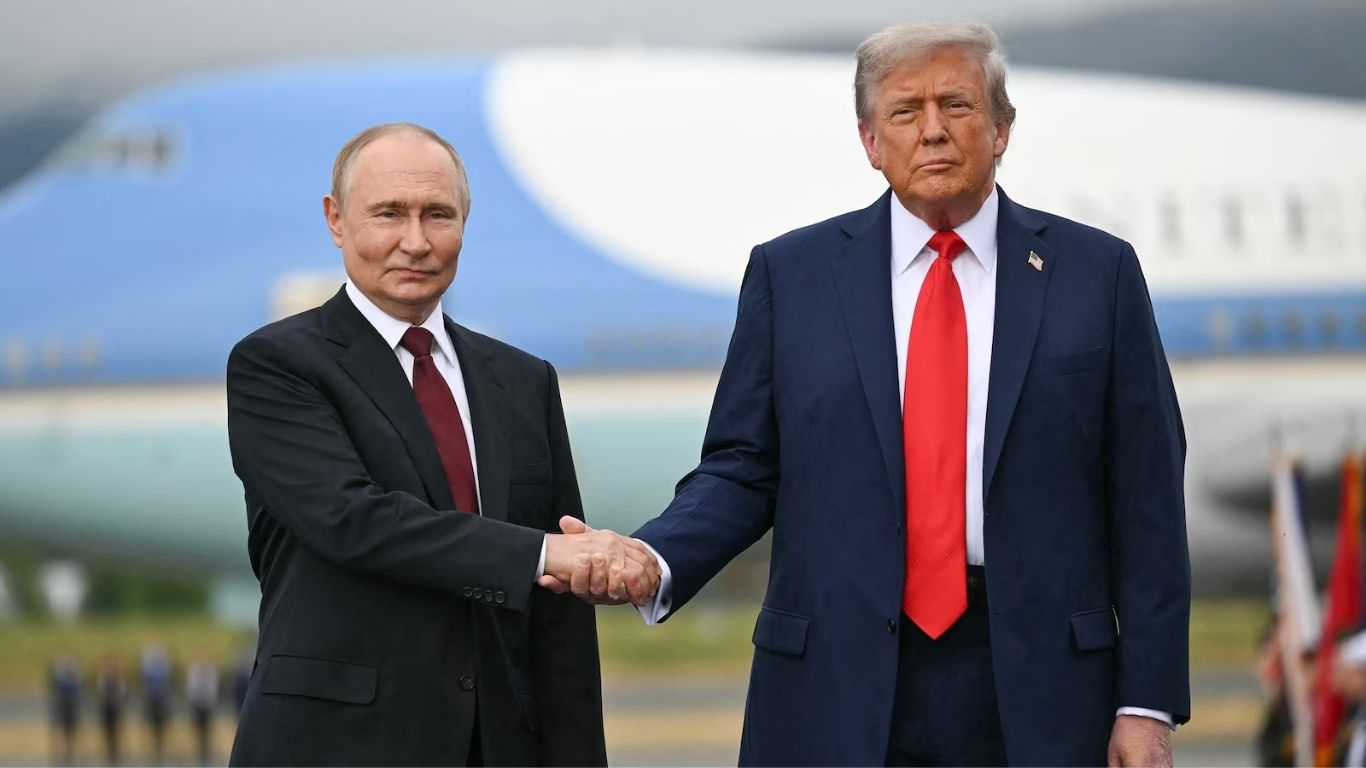
U.S.–Russia relations could shift as Trump and Putin head to Alaska peace talks
U.S. President Donald Trump has signaled openness to rebuilding economic ties with Russia, raising speculation about whether American businesses could one day re-enter the Russian market. As Trump prepares for pivotal peace talks in Alaska with Russian President Vladimir Putin, analysts say a thaw in relations could pave the way for fresh trade opportunities.
But the challenges are steep. Western sanctions, entrenched corruption, and competition from China and India could make it extremely difficult for U.S. companies to regain a foothold in Russia.
Trump Suggests a Potential Trade Thaw
Speaking aboard Air Force One, Trump noted Putin’s inclusion of Russian business leaders in the Alaska talks. “I like that, because they want to do business, but they’re not doing business until we get the war solved,” Trump said.
If peace progress is achieved, Trump hinted he would discuss business opportunities. “They’d like to get a piece of what I built in terms of the economy,” he told reporters, suggesting U.S. firms could benefit from a post-war economic reset.
However, restarting business with Russia would be far from straightforward both politically and economically.
Why Western Companies Left Russia
After Russia’s invasion of Ukraine in February 2022, U.S. and European firms withdrew en masse. Global giants such as McDonald’s, Starbucks, BP, and ExxonMobil exited the Russian market, citing both ethical obligations and regulatory pressures.
The corporate exodus from Russia created space for Chinese competitors to dominate sectors like automobiles, energy, and consumer electronics. Meanwhile, local entrepreneurs launched “copycat brands” to fill consumer gaps. For instance, Stars Coffee replaced Starbucks, adopting a strikingly similar logo and store concept.
Would Russian consumers embrace them again, or have they already moved on to Chinese and local alternatives?
Russia’s Energy Pivot Away from the West
Sanctions have reshaped Russia’s most lucrative sector: oil and natural gas exports. Before the war, oil and gas revenues made up 30% of the Kremlin’s budget. But Western bans forced Moscow to re-route exports.
- The European Union cut pipeline gas imports from over 40% in 2021 to just 11% in 2024.
- Seaborne crude oil imports into the EU have been banned entirely.
- India and China stepped in as new top customers. According to Vortex, Russia now supplies 36% of India’s crude oil, making it the country’s largest oil provider.
Trump has threatened to impose tariffs on nations buying Russian oil, attempting to pressure Moscow by cutting revenues. Yet India has stood firm, saying Russian oil is critical for its 1.4 billion people.
For U.S. energy firms, the reality is clear: any return to Russia would face fierce competition from Asian companies entrenched in long-term contracts.
The Sanctions Roadblock
One of the biggest hurdles to US-Russia business relations is the complex web of sanctions still in place.
- The G7 oil price cap prevents Western firms from providing shipping, insurance, or financial services for Russian oil sold above a set threshold.
- Several Russian banks remain banned from SWIFT, the global payments messaging system. Because SWIFT is based in Belgium, Washington cannot unilaterally re-admit Russian banks without EU cooperation.
These sanctions make it extremely challenging for U.S. firms to legally trade or receive payments from Russian counterparts. Without coordinated international policy shifts, American companies risk running afoul of global compliance laws.
Corruption and Risky Business Climate
Beyond sanctions, Russia’s business environment remains fraught with risks.
- According to Transparency International’s Corruption Perceptions Index, Russia ranked 136th in 2021.
- By 2024, it had fallen further to 154th, tied with Honduras and Lebanon.
Rampant corruption, weak rule of law, and a lack of financial transparency make Russia one of the hardest countries for Western businesses to operate in. Compliance with U.S. anti-bribery and corruption laws (FCPA) adds another layer of complexity for companies even considering re-entry.
Would American Companies Return to Russia?
Trump’s vision of reopening trade with Russia may appeal to certain industries energy, agriculture, consumer goods, and technology. Yet, the barriers remain daunting:
- Shrinking consumer base due to war and sanctions.
- Dominance of Chinese competitors in key markets.
- Financial restrictions on payments and banking.
- Reputational risks for brands that previously left Russia.
In 2022 and 2023, many U.S. corporations faced public and shareholder pressure to exit Russia. A return now could spark renewed backlash and tarnish global reputations.
Bottom Line
President Trump’s willingness to reopen U.S.–Russia business ties depend entirely on achieving peace in Ukraine. While a thaw in relations could create new opportunities for American businesses in Russia, sanctions, corruption, and entrenched Asian competition present enormous challenges.
For now, the U.S. private sector faces a stark dilemma: even if Trump secures a peace breakthrough and signals a green light, will doing business in Russia be profitable or worth the reputational and financial risks?
One thing is certain: the global business community will be watching the Trump-Putin Alaska talks closely.




